
Last updated October 31, 2026
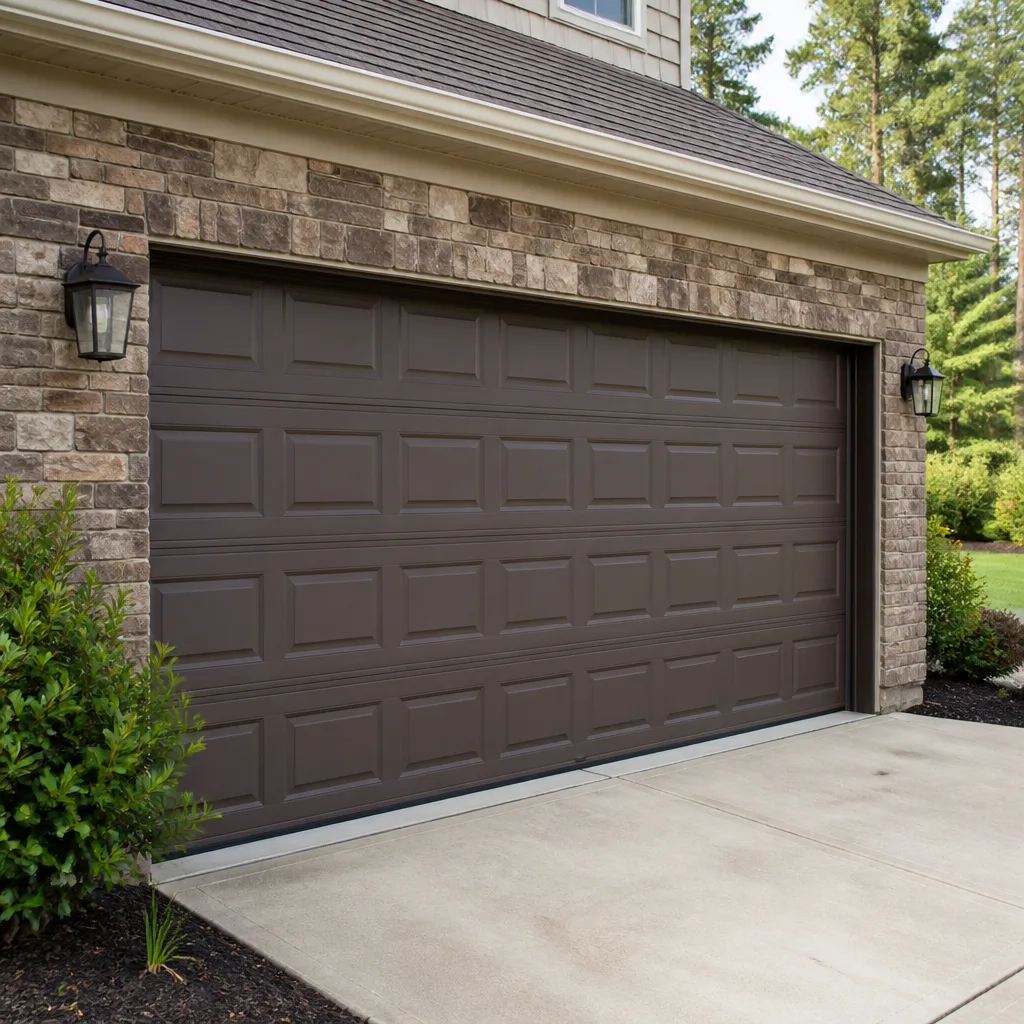 Raised-panel steel
 Carriage house
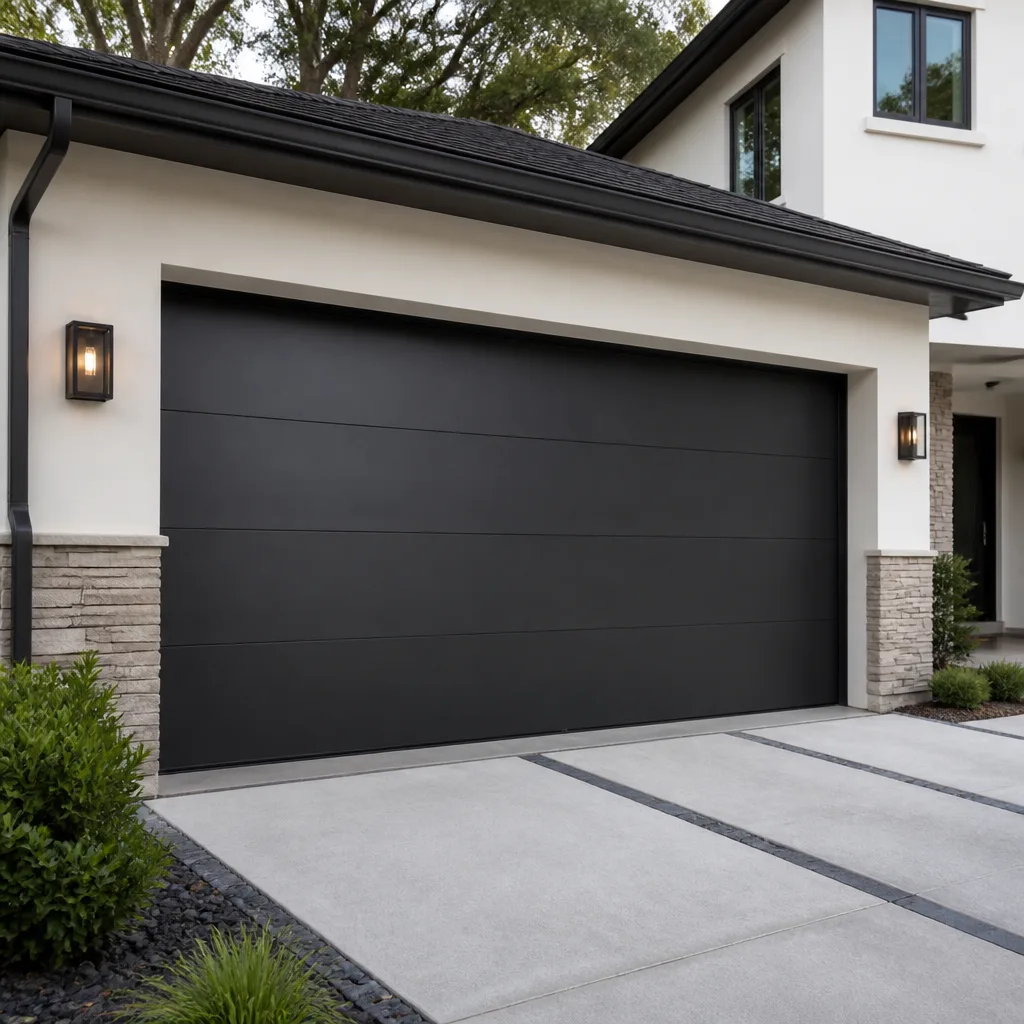 Modern flush
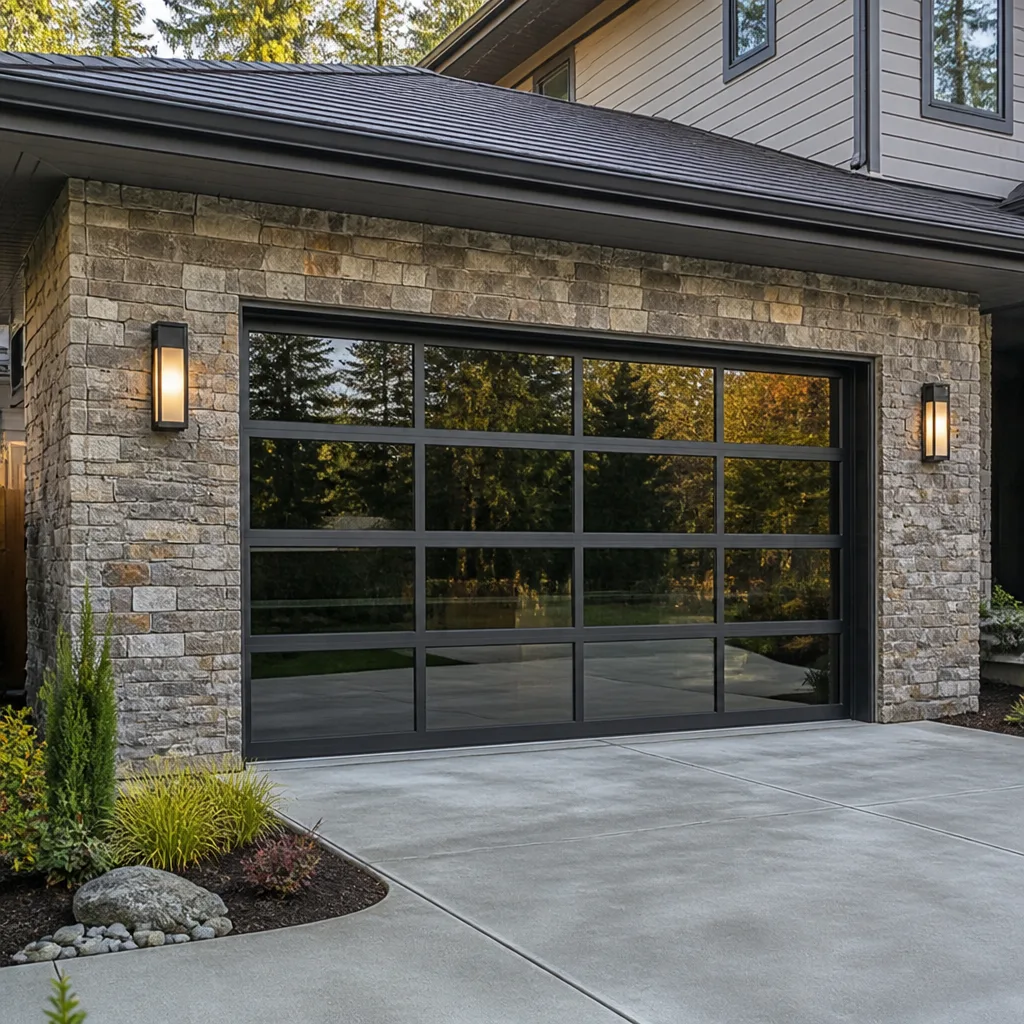 Full-view glass
 LiftMaster openers
 Chamberlain openers
Full 25-point door and opener safety check with every visit - springs, cables, rollers, tracks, and your LiftMaster or Chamberlain opener included
You get a price before we start. It does not change when the truck arrives.
Get your free estimateGarage Door Permits, Codes & Inspections in CA: What You Need to Know
Most homeowners don’t think about building permits until a transaction forces the issue. In Murrieta, we’ve watched sellers scramble during escrow because a garage door swap they did five years ago never went through the city. Riverside County inspectors have flagged exactly this pattern: a heavier door installed where a lighter one used to sit, no re-inspection on record, and suddenly a closing date slips. This guide walks you through California’s Title 24 standards, Murrieta’s municipal thresholds, the UL 325 opener rules, and what an inspector actually looks for. For garage door warning signs every Murrieta homeowner should watch for, see our dedicated reference guide. You’ll know whether your project needs paperwork before you touch a single bolt.
Styles & brands we work with
Quick Answer
Most like-for-like garage door replacements in Murrieta do not require a city permit, but any change in door weight, size, or wind-load rating triggers California Building Code Chapter 16 compliance review and a Riverside County inspection. Opener replacements must meet UL 325 automatic-reverse standards regardless of permit status. HOA design approval and city permits are separate processes; neither substitutes for the other.
Table of Contents
- When a Permit Is Required in Murrieta (and When It Isn’t)
- California Wind Load Rules and Murrieta’s Climate Zone
- UL 325: The Opener Safety Standard That Catches Old Units
- HOA CC&Rs vs. City Permits: Two Separate Gates
- What Happens During a Garage Door Inspection
- Permit Costs and Timeline in Murrieta
- What Happens If You Skip the Permit
- Common Mistakes to Avoid
- When to Call a Professional
- Frequently Asked Questions
- The Bottom Line
When a Permit Is Required in Murrieta (and When It Isn’t)
Murrieta follows the California Residential Code with local amendments, and the practical dividing line is this: if the new door matches the old door’s dimensions, weight class, and wind-load rating, you’re doing a like-for-like replacement and typically no permit is required. Swap a 16×7 steel door for another 16×7 steel door of similar construction, and the city treats it as maintenance.
The permit trigger comes when something structural changes. Here’s what moves you into permit territory in Murrieta:
- Weight change: Replacing a lightweight aluminum door with a solid wood or insulated steel sandwich door changes load on the header, springs, and opener.
- Size change: Widening or heightening the opening requires structural header work, which absolutely requires plans and a permit.
- Wind-load reclassification: A door rated for lower wind pressure swapped for one rated differently can affect the framing connections.
- Spring system conversion: Moving from extension springs to torsion springs, or upgrading to a heavier torsion shaft, changes how force transfers to the wall.
- Opening style change: Converting a swing-out door to an overhead sectional means new tracks, new supports, and a new load path.
If you’re uncertain, Murrieta’s Building and Safety division responds to phone questions without requiring you to open a permit file. In our experience, the question worth asking is not “can I do this work” but “will this door’s specs match what the original builder installed.” If the answer is no, assume you need paperwork.
California Wind Load Rules and Murrieta’s Climate Zone
California Building Code Chapter 16 governs structural design, and section 1609 covers wind loads. Garage doors in Murrieta fall under inland Southern California conditions: occasional Santa Ana wind events with gusts that can exceed 60 mph in the foothills, but no sustained hurricane-force requirements like coastal Florida.
What this means practically: a garage door must be anchored to framing with hardware rated for the wind zone. The door manufacturer publishes a wind-load rating, typically expressed in pounds per square foot (psf). Murrieta’s zone generally requires doors rated for 15-20 psf, but specific ratings depend on exposure category and door dimensions. Neighborhoods on higher terrain near the Santa Rosa Plateau can see different exposure ratings than flatland subdivisions near the 215.
The inspection relevance is direct. When a heavier or larger door goes in, the inspector verifies that the track brackets, jamb anchors, and header connections match the new door’s documented wind-load rating. A door rated for 10 psf installed where the code expects 20 psf fails inspection regardless of how clean the installation looks.
This is also where brand documentation matters. Amarr and Wayne Dalton both publish wind-load tables for their residential lines, and the inspector may ask to see the manufacturer’s spec sheet for the exact model installed. If the installer can’t produce documentation, the job stalls until the rating can be verified.
UL 325: The Opener Safety Standard That Catches Old Units
UL 325 is the national safety standard for automatic garage door openers, and it’s been updated several times since the original 1993 entrapment-protection rules. The current standard requires two independent safety systems on every residential opener manufactured after 1993:
- Automatic reverse mechanism: The opener must reverse direction within two seconds of contacting a solid object. This is tested with a 2×4 laid flat on the ground.
- Photoelectric sensors: A non-contact beam mounted 6 inches or less above the floor on both sides of the opening. If anything breaks the beam while the door is descending, the door must stop and reverse immediately.
The enforcement angle shows up two ways in Murrieta. First, older Craftsman and Raynor openers from the early 90s or earlier lack photoelectric sensors entirely, and if a home inspection catches one, it’s flagged as a safety defect requiring correction before sale. Second, even newer openers can fail the two-second reverse test if the force settings were adjusted incorrectly, which happens more often than most people realize.
If you’re replacing an opener without changing the door, Murrieta doesn’t require a permit for the opener itself, but the unit must be UL 325 compliant when installed. If a licensed specialist does the work, they’re responsible for confirming the safety systems function. If you do it yourself, you own that liability, including in any future disclosure.
HOA CC&Rs vs. City Permits: Two Separate Gates
Murrieta has a high concentration of planned communities, and many carry CC&Rs that restrict garage door appearance, color, and sometimes even brand. The confusion for homeowners is understandable: they get HOA design approval and assume the city is covered. Or they pull a city permit and assume the HOA is satisfied. Neither assumption is true.
Here’s the distinction that matters:
- HOA approval governs appearance: Color, panel style, window placement, material finish. CC&Rs often require doors to match the community’s architectural palette, and some specify door brands or styles.
- City permits govern safety and structure: Weight distribution, wind-load anchoring, spring configuration, opener compliance. The city doesn’t care if your door is brown or white.
In practice, this means a homeowner in a Murrieta HOA community may need to complete both processes before any work starts. We’ve also seen the reverse: owners who get HOA approval and then discover the door they selected is heavier than the original, which means the city process starts after HOA approval was already granted. The sequence should be: confirm the door specs match the existing opening for load purposes, get HOA design approval for appearance, then determine if the city requires a permit based on structural changes.
What Happens During a Garage Door Inspection
If your project does trigger a permit, a Riverside County or City of Murrieta inspector will visit after the work is complete. Knowing what they actually check prevents surprises:
- Anchoring and hardware: The inspector verifies track brackets are secured to framing with the fasteners specified in the manufacturer’s instructions. Lag screws into drywall alone fail immediately.
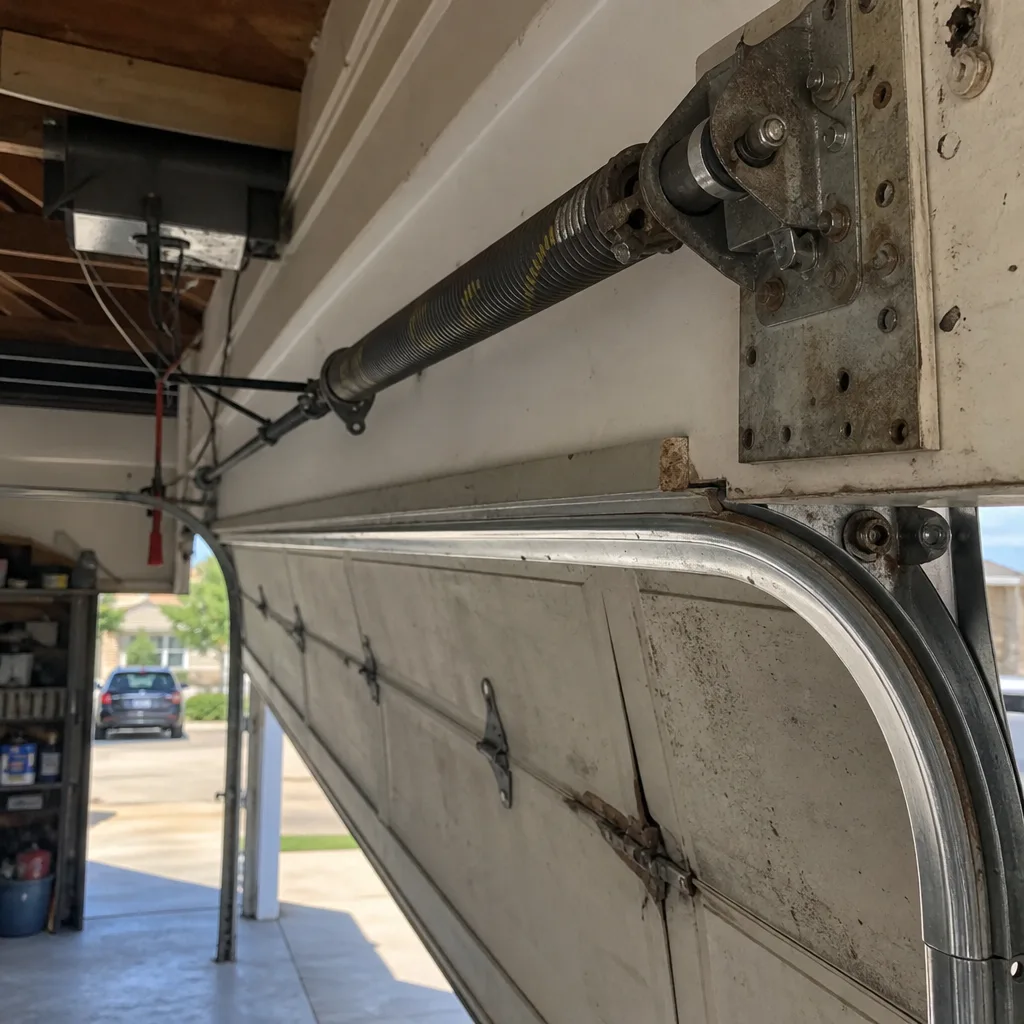
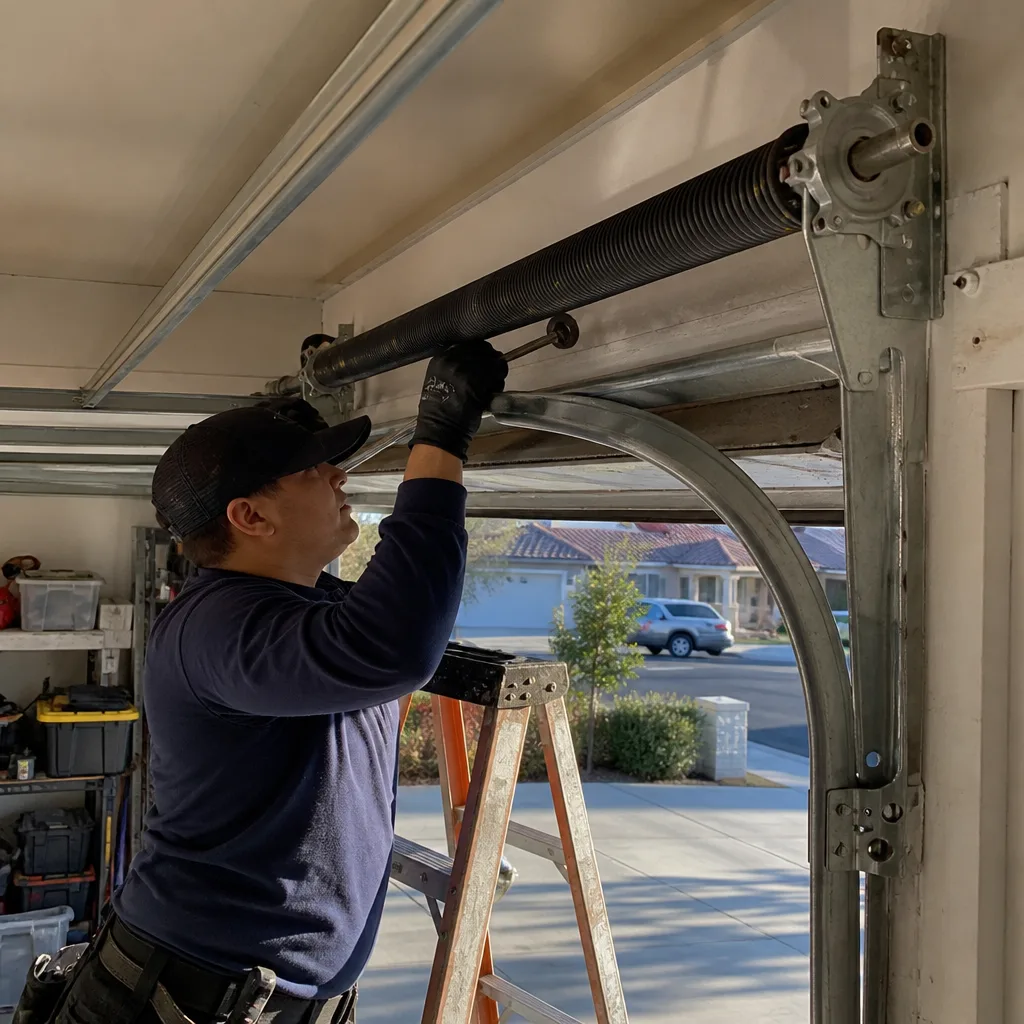
- Spring containment: Torsion springs must have containment cables installed inside the spring coils. This is a code requirement aimed at preventing spring fragments from becoming projectiles if a spring fails.
- Opener force settings: The 2×4 reverse test happens in person. If the door doesn’t reverse, the inspection fails on the spot.
- Sensor placement: Photoelectric sensors must be mounted 6 inches or less above the floor and wired so they cannot be bypassed by a wall switch.
- Weather sealing and drainage: In Murrieta’s dry climate this is less about rain and more about keeping dust and insects out, but a proper bottom seal is still on the checklist.
- Documentation: The inspector asks for the door manufacturer’s wind-load documentation and the opener’s UL 325 compliance label. We always leave copies with the homeowner for this exact reason.
Most failed inspections in our experience come down to two issues: missing spring containment cables and improperly adjusted opener force settings. Following a Garage Door Repair Maintenance Checklist for Murrieta homeowners helps avoid both. Both are correctable in minutes when the installer knows what the inspector is looking for.
Permit Costs and Timeline in Murrieta
Murrieta’s permit fees for a residential garage door replacement that does require inspection typically run in the $150 to $400 range, depending on the scope and whether structural plans are involved. That’s the city’s fee only; it doesn’t include the cost of engineering documentation if your project needs specific wind-load calculations.
Timeline expectations:
- Over-the-counter review: For straightforward replacements where documentation is complete, Murrieta sometimes processes the permit the same day.
- Plan review: If structural changes are involved, plan review can add one to two weeks.
- Inspection scheduling: Once work is done, inspection appointments typically happen within one to three business days in Murrieta.
If you’re working with a Murrieta garage door company that handles permit-related projects regularly, they’ll often coordinate the inspection scheduling for you. That’s not a service everyone offers, but it removes the homeowner from the back-and-forth with the city.
What Happens If You Skip the Permit
The phrase we hear most often is “it’s just a garage door.” Here’s what skipping the permit actually creates:
- Disclosure liability: California’s seller disclosure requirements include unpermitted work. If you replaced a garage door with a different-weight unit without a permit and didn’t disclose it, you’ve created a basis for a post-sale claim.
- Escrow complications: Home inspectors in Riverside County do flag garage door systems if they see signs of unpermitted structural work. The buyer might demand the permit be pulled retroactively, which often costs more than the original permit would have.
- Insurance questions: If an unpermitted door installation fails and causes damage or injury, the insurer may review whether the unpermitted work contributed to the claim.
- Retroactive permitting: Murrieta does have a process for after-the-fact permits, but it requires exposing what the inspector needs to see. That can mean opening drywall around a header connection, which taps into costs the original permit would have avoided.
The calculus is simple: if the door specs change, the permit is cheap insurance against a chain of consequences that gets more expensive the longer you wait.
Common Mistakes to Avoid
- Assuming all replacements are equal: A like-for-like swap between identical doors is one thing. A heavier wood door replacing an aluminum original changes loads, and the city treats it as a different animal.
- Treating HOA approval as a permit substitute: We covered this above, but it’s the most common error in Murrieta’s HOA communities. The HOA cares about color; the city cares about structure.
- Reusing old tracks with a new, heavier door: The track gauge and bracket spacing that worked for a lightweight door may not support a heavier one. Inspectors check this specifically.
- Adjusting opener force without testing: An opener that reverses too late or not at all is the single most flagged item in home inspections. The force settings are not a “set it and forget it” matter.
- Throwing away manufacturer documentation: The wind-load spec sheet and UL 325 label are your inspection paperwork. Without them, a simple inspection becomes a documentation hunt.
- Skipping spring containment cables: It’s a small part, but it’s on the checklist, and a missing cable fails the inspection regardless of how well everything else works.
- Hiring a generalist who hasn’t dealt with Murrieta’s process: Every jurisdiction has quirks. A Murrieta-focused garage door specialist knows what the local inspectors look for because they’ve stood through the inspections. A general handyman often hasn’t.
When to Call a Professional
If you’re replacing an existing door with one of different weight, size, or wind-load rating, the permitting process and structural coordination are best handled by someone who does this routinely. The same is true for any opener replacement where the existing unit lacks photoelectric sensors or fails the reverse test. If you’re in a Murrieta HOA community, the sequence of HOA approval plus city permit determination is easier to navigate with someone who’s done it dozens of times. If you’re unsure whether your project needs a permit, call the city first, then call us. Murrieta Garage Door Service offers free estimates in Murrieta, and we can tell you whether your project falls into exempt territory or needs the full process. Call (866) 798-2664.
Frequently Asked Questions
You need a permit if the new door differs from the old one in weight, size, wind-load rating, or opening style. A like-for-like replacement, where the new door matches the original’s specifications, typically doesn’t require one. Call (866) 798-2664 if you’re unsure whether your specific replacement qualifies as like-for-like.
Permit fees for a residential garage door replacement that requires inspection generally run $150 to $400 in Murrieta. This covers the city’s review and inspection process, not any engineering documentation if your project needs specific wind-load calculations.
Yes. HOA CC&R approval governs appearance, color, and sometimes brand, while the city permit governs structural safety. One does not substitute for the other, and Murrieta’s many planned communities mean most homeowners need to complete both processes.
UL 325 is the national safety standard requiring automatic reverse on contact and photoelectric sensors that stop the door when the beam is broken. Any opener manufactured after 1993 must comply, and any opener installed or remaining in a Murrieta home will be checked against it during inspections.
Owner-builder permits are possible in Riverside County, but you assume responsibility for meeting all structural and safety requirements, including wind-load documentation and UL 325 compliance. We recommend professional installation because the inspection process goes more smoothly when the installer knows exactly what the inspector will check.
Yes, we work with the City of Murrieta on permit-required residential garage door projects and coordinate inspections for our customers. We also work on the brands you already have, including Amarr, Wayne Dalton, Craftsman, and Raynor, so you won’t be pushed into replacing a door that can be properly permitted as-is. Call (866) 798-2664 for a free estimate.
The Bottom Line
California’s Title 24, Murrieta’s local amendments, UL 325, and HOA CC&Rs create a layered set of requirements that trip up homeowners who treat a garage door as a minor appliance swap. The key questions are whether the door’s weight and wind-load rating change, whether the opener meets current safety standards, and whether your community’s HOA has its own approval gate. When all three are handled correctly, garage door work in Murrieta is straightforward. Explore more guides & resources on our blog to stay ahead of common issues. When any one is skipped, the problem compounds: failed inspections, escrow delays, and retroactive costs. Know your specs before you start.
Written by the team at Murrieta Garage Door Service, serving Murrieta since 2014.
See the difference
 Before
 After
 Before
 After
 Before
 After