
Last updated October 31, 2026
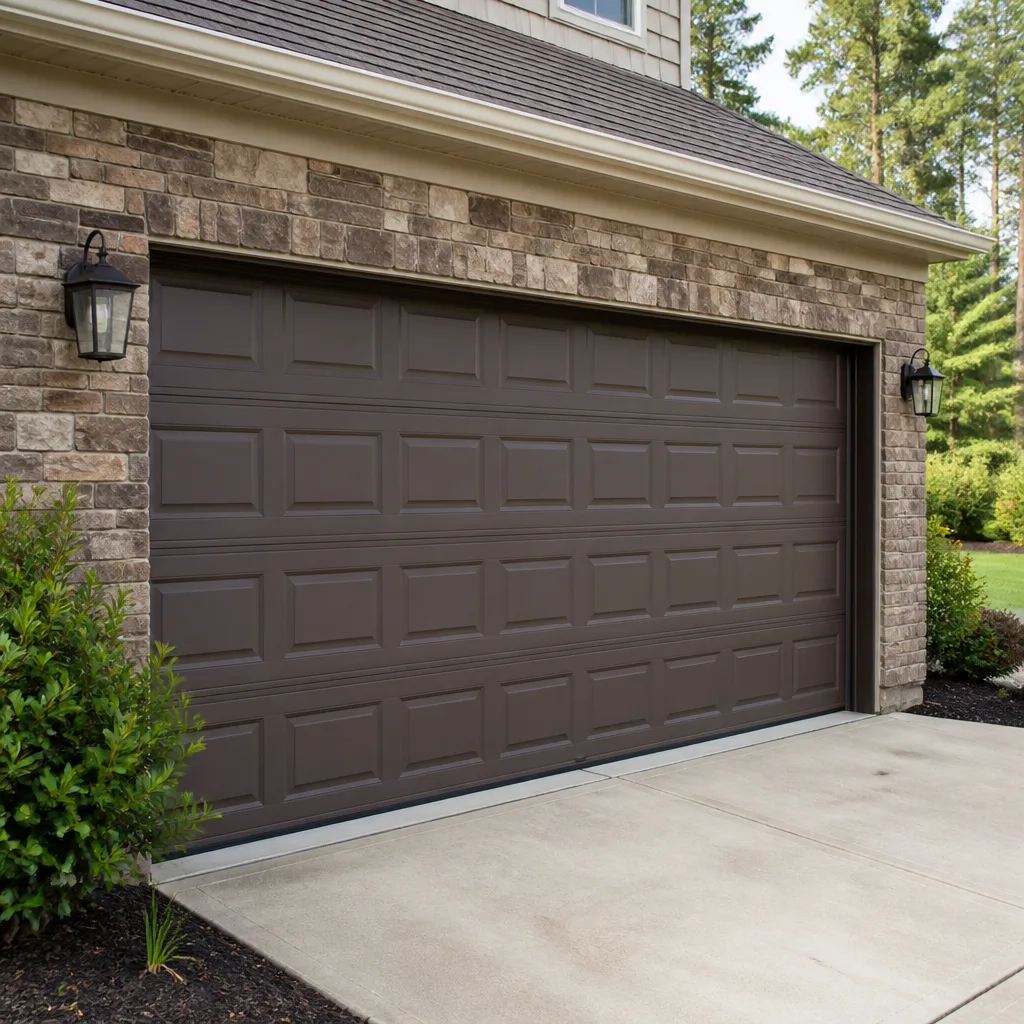 Raised-panel steel
 Carriage house
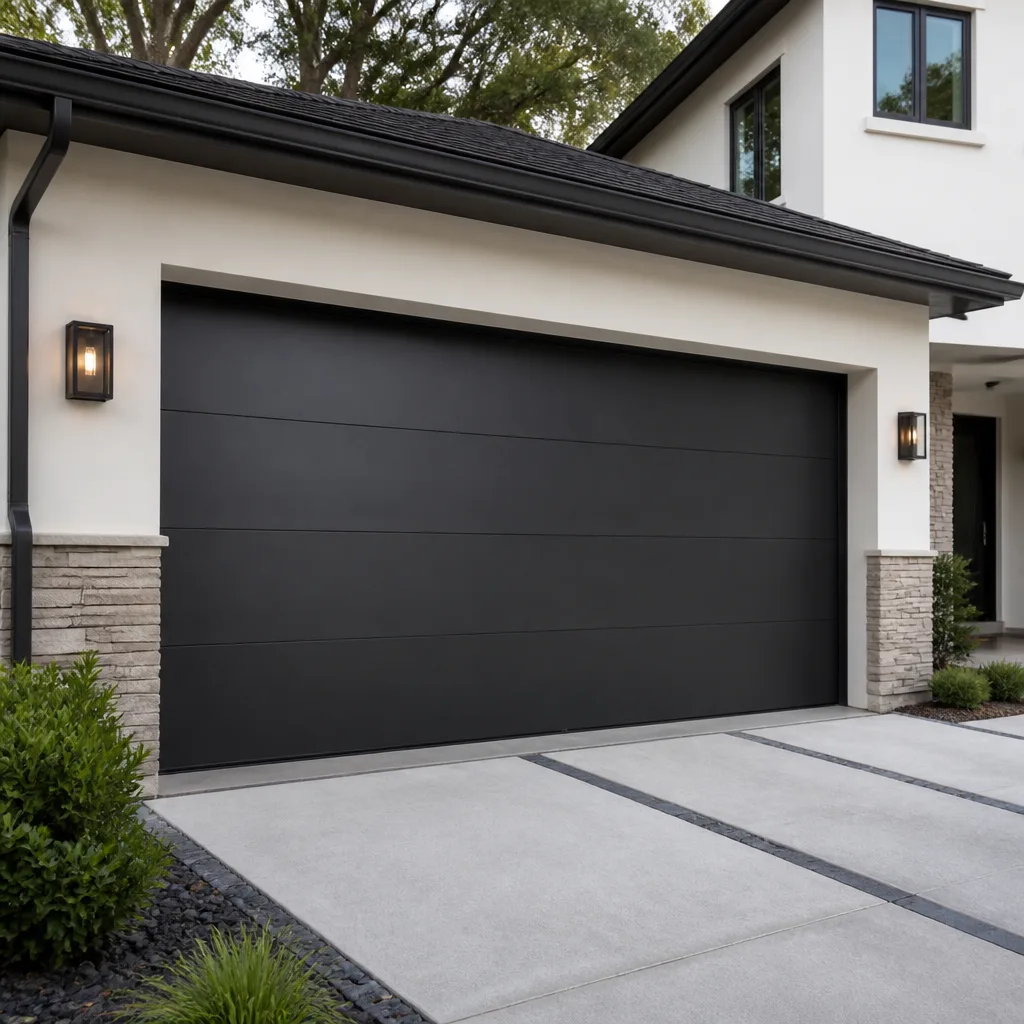 Modern flush
 Full-view glass
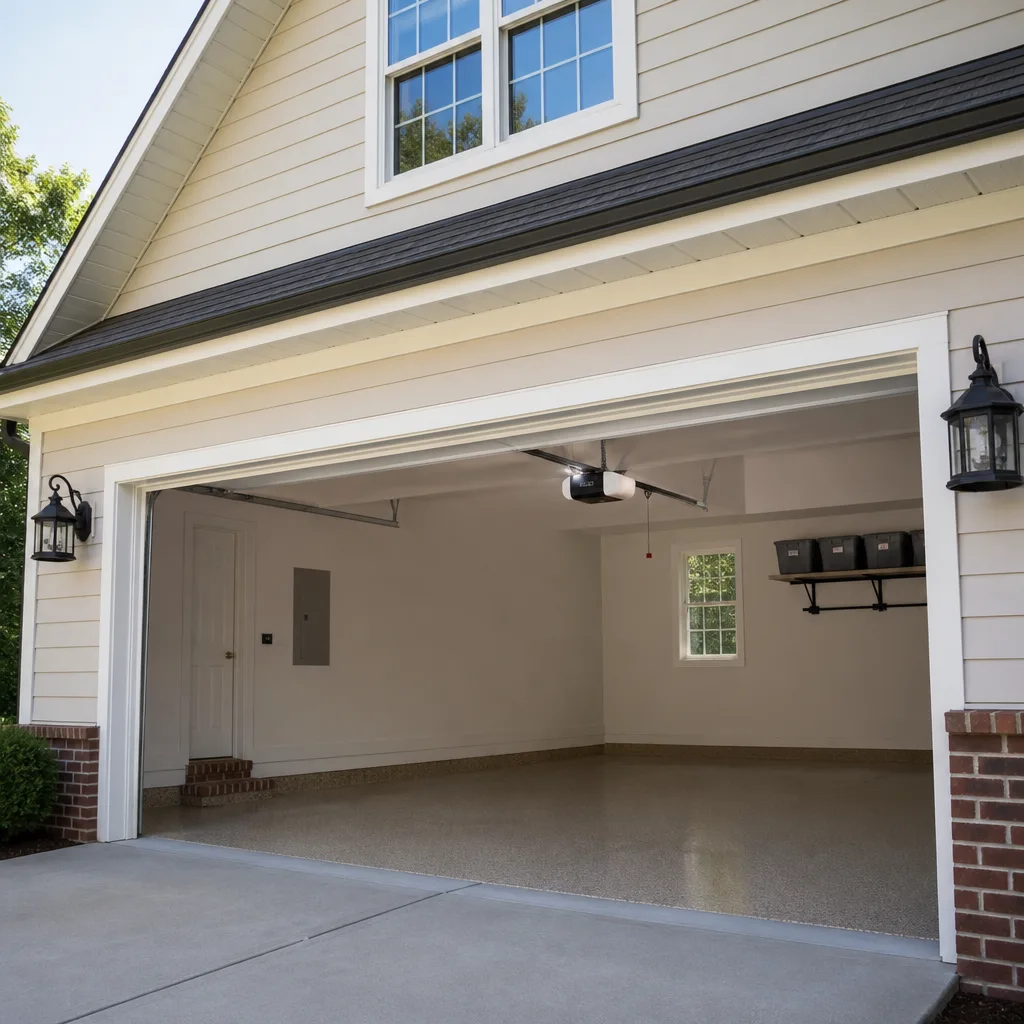 LiftMaster openers
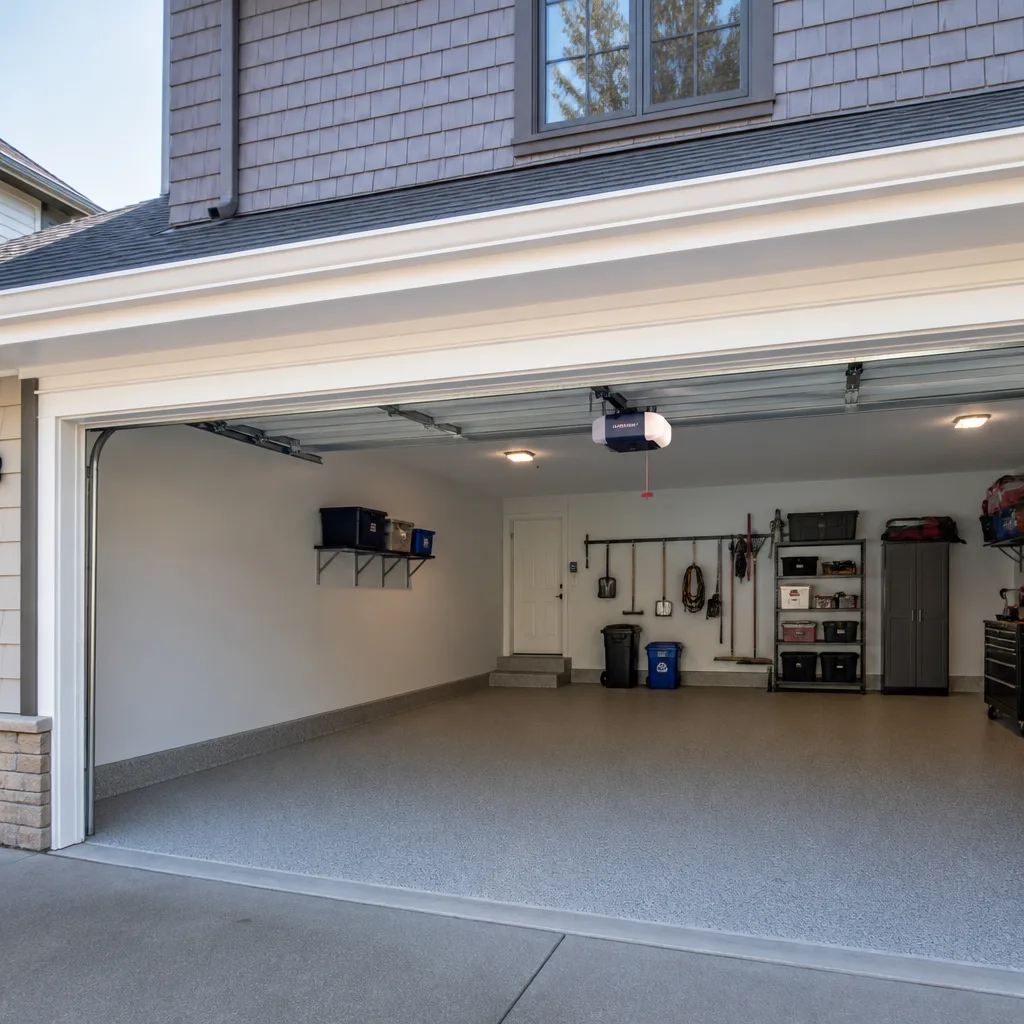 Chamberlain openers
Full 25-point door and opener safety check with every visit - springs, cables, rollers, tracks, and your LiftMaster or Chamberlain opener included
You get a price before we start. It does not change when the truck arrives.
Get your free estimateGarage Door Warning Signs: A Murrieta Homeowner’s Reference Guide
A garage door that hesitates for half a second before moving is not “warming up.” It’s an opener motor straining against a resistance problem that will escalate. Ignoring that hesitation is how a $120 roller replacement becomes a $600 motor replacement. Most garage door failures broadcast 30 to 90 days of detectable warning signs before they finally give out, and Murrieta homeowners who learn to read those signs can schedule repairs on their terms instead of discovering a dead door at 7 a.m. on a workday. For more guides & resources, see our blog. This guide converts the sounds, movements, and visual cues your door already gives you into diagnostic information, so you know exactly what’s urgent, what can wait, and what to say when you call for service.
Styles & brands we work with
Quick Answer
Garage door warning signs fall into four categories: abnormal sounds (grinding, squealing, popping, rattling), movement irregularities (hesitation, uneven travel, slamming, reversed operation), visual wear (cable fraying, spring gaps, panel separation, roller wear), and electrical or opener behavior (thermal trips, inconsistent remotes, phantom reversals). In Murrieta’s heat, spring fatigue and seal degradation appear earlier than national averages, so doors older than 7 years should be inspected seasonally—see our Seasonal Garage Door Care for Murrieta: Year-Round Homeowner’s Guide for a schedule. Grinding, popping, and visible cable damage require immediate professional attention; squealing and slow-but-smooth operation can typically wait a few days while you schedule a repair.
Table of Contents
- The Sound-to-Diagnosis Index: What Your Garage Door Is Telling You
- Visual Inspection Points You Can Check From a Safe Distance
- Movement Warning Signs: Hesitation, Uneven Travel, and Slamming
- Opener-Specific Warning Signs Most Homeowners Overlook
- Mild Warning Signs vs. Stop-Using-Now Signs: A Clear Split
- Why Murrieta’s Climate Accelerates Certain Door Failures
- How to Document and Describe What You’re Seeing for a Technician
- Common Mistakes to Avoid
- When to Call a Professional
- Frequently Asked Questions
- The Bottom Line
The Sound-to-Diagnosis Index: What Your Garage Door Is Telling You
Garage doors are noisy machines, but each sound has a source. Knowing which component produces which noise lets you describe the problem accurately and decide whether you’re scheduling a repair or calling for emergency service. Here’s what each sound actually indicates at the component level:
Grinding
Grinding is metal-on-metal contact, and it almost always points to one of three things: a worn roller bearing that’s no longer spinning freely, a misaligned track forcing the roller against the rail edge, or an opener gear (on chain-drive and some belt-drive models) that’s stripping its teeth. On LiftMaster and Chamberlain chain-drive openers, the plastic gear inside the motor housing is designed to fail before the motor does, and the grinding you hear is that gear chewing itself apart. This is a schedule-soon repair, not an emergency, but it will not improve on its own.
Squealing
Squealing is friction, typically from a roller bearing that’s dry or failing, a hinge that needs lubrication, or a belt that’s slipping on a worn tensioner. It’s the most common sound we hear from Murrieta homeowners because the heat here accelerates lubricant breakdown. A squeal that’s consistent and rhythmic with door movement is usually a single roller or hinge. A squeal that’s intermittent may be torque-related and point toward the spring assembly. Squealing is a nuisance first and a mechanical problem second, but left alone, that dry bearing seizes and becomes a grinding problem.
Popping
A loud pop from the spring area is the most serious sound a garage door can make. Torsion springs, the coils mounted above the closed door on a horizontal shaft, are under significant tension. A pop typically means a spring snapped, or a cable slipped off its drum. When a spring breaks, the door suddenly weighs whatever the spring is no longer counterbalancing, which on a double door can be several hundred pounds. If you hear a pop and the door won’t open smoothly or at all, do not attempt to operate it manually. The spring assembly is the one component on your garage door that requires a trained professional. No homeowner should ever attempt a spring replacement. We service whatever spring system your door uses, from Wayne Dalton’s TorqueMaster to standard torsion.
Rattling
Rattling is loose hardware, full stop. It’s a bolt that’s backed out, a hinge pin that’s wearing, a track bracket that’s loosened, or an opener rail that’s vibrating against its mounts. Rattling gets louder over time because the vibration from normal operation keeps widening whatever gap the loose fastener started with. It’s usually inexpensive to fix if caught early, but a track bracket that lets go entirely drops the door off its rails, and that becomes a door replacement conversation. Tighten what’s accessible with a wrench, and if the rattle persists, the source is a part you can’t see without removing panels.
One note on brand-specific quirks: Craftsman openers from the pre-2010 era run on a gear-and-sprocket design that develops a distinctive chatter as the sprocket wears. Raynor doors, which use an integrated hinge-and-roller design, produce a softer rattle when their hinges wear than the sharper metallic clatter you’ll hear from a conventional roller on a standard track.
Visual Inspection Points You Can Check From a Safe Distance
You don’t need to climb a ladder or disassemble anything to spot most developing garage door problems. Here are the visual checks you can perform while standing safely on the ground, with the door closed or partially open:
Cable Condition
The lift cables, one on each side of the door, are visible when the door is closed. Look for fraying, rust, or any individual wire strands poking out from the cable’s twist. Cables under tension don’t fray randomly; a fray indicates the cable is dragging across a worn drum or a misaligned track. A frayed cable that snaps while the door is open drops the door unevenly and violently. In Murrieta, doors within a few miles of the 215 or 15 freeways accumulate fine particulate rust faster, so check cables on doors older than 5 years at least twice a year. This is one of those checks you don’t need our help to do, but if you see fraying, call before you operate the door again.
Spring Gap
On a standard torsion spring system, look at the spring coils above the closed door. You’re looking for a visible gap in the coil, usually an inch or longer, where the spring has snapped and separated. A gap means the spring is broken, even if the door still technically opens because your opener is strong enough to drag it. And when your opener is doing the work a broken spring should be doing, the opener motor is being destroyed. A gap in a torsion spring is a stop-using-the-door situation.
Roller Wear
Rollers should sit squarely in their tracks. If a roller is canted at an angle, has a flattened spot, or doesn’t spin when the door moves (you can see this from the side), that roller is done. Worn rollers drag, and dragging rollers stress the hinges, the track, and the opener. Replacing rollers is inexpensive compared to what happens downstream when they seize.
Panel Separation
Look at the seams between door sections. On steel doors, especially Clopay and Amarr models with polyurethane insulation, the stiles (the vertical metal supports inside each panel) can separate from the panel skin over time, especially where heat cycling breaks down the adhesive. You’ll see a slight bowing or a gap at the seam. Panel separation indicates structural weakening, and while it doesn’t demand immediate shutdown, it usually means the door is entering the replacement conversation rather than the repair conversation.
Track Alignment
Stand inside the garage, door closed, and sight down each vertical track. The track should run straight up and then curve smoothly into the horizontal section. Any visible kink, bow, or gap between the track and the door edge means the track has shifted. A shifted track doesn’t just cause noise; it creates the exact conditions that let a roller jump the rail, and a jumped roller is how doors end up hanging at a 30-degree angle.
Most of these checks take 90 seconds total. They’re the same checks we perform on every service call, just simplified so a homeowner can do a baseline assessment before deciding whether to call.
Movement Warning Signs: Hesitation, Uneven Travel, and Slamming
How a door moves tells you more than how it sounds. Watch your door cycle once, open and closed, and look for these irregularities:
- Hesitation before movement: The opener engages and there’s a noticeable pause before the door starts moving. That pause is the motor building torque to overcome resistance. The resistance is usually in the springs, rollers, or opener gear. Hesitation means the system is working harder than it was designed to, and that work is being paid for in component lifespan.
- Uneven travel: One side of the door rises faster than the other, producing a visible tilt during operation. Uneven travel points to a cable that’s slipping on its drum, a spring that’s lost tension on one side, or a bearing plate that’s worn. A door that travels unevenly is putting asymmetric stress on every hinge and panel, which accelerates wear across the entire door.
- Slamming on descent: The door drops the last several inches instead of settling gently. This is almost always a spring tension issue. Your springs are counterbalancing less than they should, and the last portion of the descent is the door free-falling. Slamming stresses the bottom panel, the weather seal, and the opener’s drive mechanism. It also creates a real hazard for anything or anyone under the door.
- Reversing without obstruction: The door starts closing, then reverses as if it hit something, even though nothing is there. On some openers this is the force-sensitivity setting engaging incorrectly. On others, particularly LiftMaster and Chamberlain MyQ units with auto-reverse sensors, it can indicate a failing travel module or a sensor alignment problem. Repeated phantom reversals mean the opener’s safety electronics are not functioning correctly, and that’s an opener repair conversation.
- Door drifts down after opening: An open door that slowly drops a few inches or more indicates spring fatigue. The springs can no longer hold the door in the open position against gravity. This is a strong predictor of spring failure within weeks, not months.
If you’re experiencing hesitation or drift, that’s the 30-to-90-day warning window we described at the top. You have time to schedule a repair, but the clock is running. Read more about the repair process on our Garage Door Repair in Murrieta page.
Opener-Specific Warning Signs Most Homeowners Overlook
The door itself gets most of the attention, but the opener, the motorized unit that does the lifting, broadcasts its own set of warnings. Here’s what to watch:
Thermal Trips (Short Cycles Then Full Stops)
If your opener runs for a few seconds and shuts off, then refuses to respond for 10 to 20 minutes, it’s thermally tripping. This is a protective circuit inside the motor that shuts the unit down when it overheats. On older openers, thermal trips are common in hot weather, and Murrieta garages that face west or south absorb direct afternoon sun, pushing interior temperatures well above the outdoor reading. On newer openers, thermal trips indicate the motor is drawing more current than it should, which usually means the door is binding and the opener is compensating. A thermally tripping opener is never “just hot.” It’s telling you the motor is at its limit.
Increasingly Inconsistent Remote Range
A remote that works at the bottom of the driveway but not at the street corner, or one that needs multiple presses, can be a sign of opener receiver board degradation rather than just a dying battery. Rule out the battery first, but if a fresh battery doesn’t fix the range, the opener’s receiver is failing. On LiftMaster and Chamberlain units with MyQ, intermittent remote response can also indicate a software or connectivity problem affecting the entire system.
Opener Runs But Door Doesn’t Move
You can hear the motor spinning, but the door stays put. On chain-drive units, this is a stripped gear. On belt-drive units, it’s a broken belt. On screw-drive units, it’s a stripped carriage. Each of these is a repairable opener failure, not necessarily a replacement, and the fix depends on the drive type. Generalist repair services frequently replace entire openers for gear failures that a garage door specialist can repair in under an hour. We repair LiftMaster, Chamberlain, Genie, Craftsman, and Raynor openers, and we diagnose the difference between a gear failure and a logic board failure before recommending anything.
Motor Sounds Strained or Whines
A whining opener is usually an aging motor bearing or a capacitor that’s degrading. Capacitors are inexpensive, and a failing capacitor is one of the most common causes of “opener hums but won’t start” calls. On older Craftsman and Genie units, capacitor replacement often gives the opener several more years of life. It’s one of the repairs that only makes financial sense if the technician can diagnose it correctly, which is what opener repair specialty involves.
For a full breakdown of opener-specific failures and what’s repairable versus replaceable, see our Garage Door Opener Repair in Murrieta guide.
Mild Warning Signs vs. Stop-Using-Now Signs: A Clear Split
Not every warning sign demands the same response. We divide warning signs into two categories: those that allow continued use while you schedule a repair, and those that require you to stop operating the door entirely until a professional arrives.
Schedule a Repair – Door Is Safe to Operate Cautiously
- Squealing that’s consistent but not worsening rapidly
- Mild to moderate rattling that doesn’t affect door balance
- Slow but smooth operation with no visible spring damage
- Remote range issues that are intermittent but present
- Slight door drift (under 2 inches after opening)
- Weather seal cracking along the bottom edge
These signs mean a component is wearing, but the structural integrity of the door system is intact. You can continue using the door while you schedule service, ideally within the next week or two.
Stop Using the Door – Call Immediately
- Any visible spring gap or snapped spring
- Fraying or loose lift cables
- Any pop or bang from the spring area, even if the door still opens
- A door that’s tilted or crooked, even by inches
- Grinding that’s worsened noticeably in a week
- A door that slammed on descent and now won’t open smoothly
- Any visible track separation or roller out of its rail
If you’re in the second category, disengage the opener using the emergency release cord (the red handle hanging from the opener rail) and operate the door manually only if it moves freely. A door that’s difficult to lift manually after disengagement has a spring or cable problem, and it should not be operated until a professional evaluates it. If the door is fully open and won’t close, do not attempt to force it. Call us at (866) 798-2664 and describe what you’re seeing. We’ll tell you whether it’s safe to leave the door in place or whether you should secure it, and we’ll get someone out to Murrieta as quickly as the schedule allows.
Why Murrieta’s Climate Accelerates Certain Door Failures
Murrieta’s inland Southern California climate, with its 100-degree summers, low humidity, and significant day-night temperature swings, affects garage door components in ways the national maintenance guides don’t account for. Here’s what we see consistently in this market that you won’t read on a generic do-it-yourself site:
Spring Fatigue Happens Earlier
Torsion springs are rated by cycle life, typically 10,000 cycles for standard springs and 25,000-plus for high-cycle springs. A cycle is one open and one close. The average household runs 3 to 4 cycles per day, translating to roughly 7 to 10 years for a standard spring. But in Murrieta, where garage doors are often the primary entry point (many of the area’s newer homes direct traffic through the garage), daily cycle counts run higher, and heat accelerates the metallurgical fatigue process. We regularly replace 10,000-cycle springs in Murrieta homes after 5 to 7 years of service, not 8 to 10. If your springs are approaching their fifth birthday in this climate, seasonal inspection is warranted.
Weather Seals Crack Faster
The rubber weather seal along the bottom of your door and the vinyl trim seals around the sides degrade faster in dry heat. Low humidity pulls the plasticizers out of rubber and vinyl, making them brittle. A cracked bottom seal lets in dust, debris, and in Murrieta’s windier months, a surprising amount of fine grit that accelerates roller and hinge wear. Replacing a bottom seal is a 20-minute job and costs a fraction of the component wear a failed seal causes downstream.
Opener Thermal Trips Are More Frequent
Garage interior temperatures in Murrieta routinely exceed 110 degrees in summer, especially in garages without insulation or ventilation. Openers have thermal protection circuits for a reason, but they’re calibrated for the motor’s internal temperature, not the ambient garage temperature. In a 110-degree garage, an opener performing normal work can hit its thermal threshold doing nothing wrong. That said, if the thermal trips happen more than occasionally, even in heat, the door is binding somewhere. The heat isn’t the only problem; it’s revealing the problem.
Lubricant Life Drops Sharply
Standard garage door lubricants are petroleum-based or lithium-based, and both thin out and run off in sustained heat. A door that was lubricated in March may be dry and squealing by July. In Murrieta, we recommend re-lubricating rollers, hinges, and springs twice a year as a baseline, with a mid-summer check for doors that face direct sun. Use a silicone-based or lithium-based garage door lubricant, never WD-40, which is a solvent that strips what little lubrication remains.
What It Means for Murrieta Homeowners
That national average “your garage door will last 15 to 20 years” figure assumes a temperate climate and gentle use. In Murrieta, realistic door lifespan with proper maintenance is 12 to 15 years, with spring replacement every 5 to 7 years and roller replacement every 5 to 8. If you’re buying a home in Murrieta with an existing garage door, check the door’s age, and if it’s over 10 years old, get an inspection before you discover the problems the previous owner ignored. If you’re replacing a door, see our Garage Door Installation in Murrieta page for guidance on choosing components that hold up in this climate.
How to Document and Describe What You’re Seeing for a Technician
The more precisely you can describe a garage door problem, the more likely the technician who shows up has the right parts on the truck. And when the truck has the parts, the job gets done in one visit. Here’s how to document what you’re experiencing:
Step 1: Record the Sound
Use your phone. Stand in the garage, record 30 seconds of a full open and close cycle. Position yourself near the center of the door for the first recording and near one side for a second one. Send both recordings when you request service. A 30-second clip tells a technician more than a paragraph of description ever could. We’ve pre-diagnosed stripped opener gears, failing roller bearings, and broken spring retainers from phone recordings alone.
Step 2: Note the Timing and Conditions
Write down: what time of day the problem is worst, whether it’s worse on hot days or cold days, whether the door operates better after a rain (it shouldn’t, but some binding problems respond to humidity), and whether the problem has been getting progressively worse or appeared suddenly. Timing data separates intermittent problems from constant ones, and intermittent problems are the ones most likely to get misdiagnosed over the phone.
Step 3: Capture Visual Evidence
Photograph the following: the springs (both the coil area and the ends), the cables on both sides, any roller you can see that looks unusual, and the track on both sides. Use your phone’s flash. Even mediocre photos reveal frayed cables and spring gaps that a homeowner might miss. When you call, we’ll ask you to text or email these photos so we can see the system before dispatch.
Step 4: Describe the Door Itself
Know your door’s brand if you can find it (the manufacturer name is usually on a label on the inside of the door panel or on the edge of a section), and know its approximate size: single-car (8 to 9 feet wide) or double-car (16 feet wide). If you’re unsure which brand to choose, our guide on Choosing the Right Garage Door Brand: A Buyer’s Guide for Murrieta can help. If you know the door’s age, include that. Brand, size, and age tell us which spring system we’re likely dealing with, whether the rollers are original or replaceable, and whether parts are likely to be in stock.
Step 5: Describe What “It Started Doing”
Avoid the phrase “it’s broken.” Instead, describe the sequence: “The door started making a grinding noise about a month ago. Last week it started hesitating before opening. Yesterday it reversed itself twice and now it won’t open at all.” That sequence is diagnostic gold. It tells us the failure progression, which points to the root cause, which tells us what parts to bring.
We work on the brand you already have. You don’t need to know your door’s model number to get an accurate diagnosis, but the information above helps us arrive prepared, and prepared means faster resolution and lower total cost. For help identifying what you’re working with, start at our Murrieta Garage Door Service home page where you’ll find our contact information and service area.
Common Mistakes to Avoid
- Lubricating a failing component to quiet it down. Lubricant temporarily silences a worn roller bearing or a dry hinge, but it doesn’t fix the wear. What it does is mask the sound that was telling you the part was failing, so the failure happens without warning later. If lubrication silences a sound for more than a month, the underlying component was sliding toward failure and you’ve just lost your early-warning system.
- Continuing to use the door after a spring pops. When a spring breaks, even if the opener can still muscle the door open, every cycle is destroying the opener’s gear assembly. The cost of a spring replacement in Murrieta is a fraction of the cost of spring plus opener repair. This is the most expensive mistake we see homeowners make, and it’s entirely avoidable.
- Trying to shortcut a broken spring with a do-it-yourself spring kit. This cannot be said strongly enough: torsion springs are under enormous tension, and the injuries from improper spring handling are catastrophic. No savings justify the risk. This is the one repair where we will not offer advice beyond “call a professional.” We see the aftermath of spring accidents in Murrieta every year, and the injuries are life-altering.
- Ignoring a deteriorating bottom seal until the door jams. In Murrieta’s dry, dusty conditions, a failed bottom seal lets grit into the tracks and rollers. That grit grinds the rollers and hinge barrels into premature failure. A $30 seal replacement prevents several hundred dollars of downstream wear.
- Replacing the opener without checking the door. An opener that’s working hard because the door is binding is often misdiagnosed as an opener failure. Replacing the opener without fixing the underlying door problem means the new opener fails early too. We diagnose the door and the opener as separate systems, even though they work together, and that’s the difference between fixing the problem and replacing a symptom.
- Assuming a new home has a problem-free door. Many Murrieta homes built during the 2000s construction boom have garage doors that are now 15 to 20 years old, installed with builder-grade components that were never intended to last this long. If you’re buying, get the door inspected before closing. We’ve caught spring failure in progress, imminent cable breaks, and paneless track alignment problems on homes that passed general home inspections because general inspectors aren’t garage door specialists.
- Leaving the door in an unsafe position after a failure. When a door fails while partially open, the instinct is to force it closed or open to secure the garage. Forcing a compromised door can drop it unexpectedly. If the door is stuck, leave it where it is, disengage the opener if you can safely reach the release cord, and call us. We’ll advise you on securing the opening until we arrive.
When to Call a Professional
If you’ve read this far and recognized a warning sign in the “stop using” category, call now. If you’ve spotted a schedule-soon sign, call this week. Here’s our simple rule: any problem involving springs, cables, track alignment, or panel structure is a professional repair, not a weekend project. The tools, training, and safety protocols for these repairs are specific to the trade, and garage door injuries are overwhelmingly concentrated in these four component areas. Murrieta Garage Door Service offers free estimates in Murrieta, and our technicians arrive with the parts and tools to complete most repairs in a single visit. Call (866) 798-2664 to describe what you’re seeing. We’ll give you an honest assessment over the phone before we ever schedule the appointment, and if it’s safe to wait, we’ll tell you that too.
Frequently Asked Questions
Torsion spring replacement in Murrieta typically runs between $180 and $350 depending on whether the door uses one spring or two, the spring’s cycle rating, and whether the spring system is standard torsion or a brand-specific design like the Wayne Dalton TorqueMaster. This includes parts, labor, and rebalancing the door. The price is quoted and agreed before any work starts, and we’ll show you the worn spring before we remove it so you know exactly what you’re paying for. Call (866) 798-2664 for an exact quote.
We schedule same-day service calls in Murrieta for urgent repairs whenever our schedule allows, with priority given to doors that won’t operate at all or that are stuck open, since those represent security and safety issues. Call (866) 798-2664 first thing in the morning and we’ll give you an honest arrival window based on the work already scheduled for that day.
No. The price we quote before starting work is the price you pay unless we find something during the repair that wasn’t visible or reasonably identifiable from your description and photos. If that happens, we stop and get your approval before doing any additional work. You’ll never get a surprise invoice from us, and you’ll know the total before the work starts, every time.
Yes. Because garage doors are all we do, our service vehicles stock rollers, hinges, lift cables, springs in multiple sizes and cycle ratings, opener gears, belts, sensors, and emergency release assemblies. We don’t do the “diagnose it, order the part, come back next week” cycle that multi-trade contractors run. In most cases, we arrive at your Murrieta home with what’s needed and complete the repair the same visit.
We repair openers from LiftMaster, Chamberlain, Genie, Craftsman, and Raynor, among others, and we service both traditional chain-, belt-, and screw-drive units and the newer app-connected systems like LiftMaster and Chamberlain MyQ. We work on the brand you already have rather than steering you toward a replacement just because that’s what we stock.
In Murrieta’s heat, an annual inspection is a good baseline for doors under 5 years old, and twice a year is worth it for doors older than that, especially in the spring before temperatures climb and the heat accelerates spring and seal wear. We perform thorough inspections as a standalone service or as part of any repair visit, and we’ll always show you what we’re seeing rather than just telling you it’s bad.
The Bottom Line
Your garage door talks. The squeal, the hesitation, the rattle, the drift: each one is a component-level diagnostic if you know what to listen for. The difference between a $120 roller replacement and a $600 opener replacement is usually 60 days of paying attention. In Murrieta’s heat, the warning signs appear earlier than the national guides predict, so seasonal checks aren’t optional, they’re cost avoidance. And when a warning sign crosses into the stop-using category, the right call is immediate professional service, not a willpower battle with a door that’s already lost its balance. We’re a garage door company only, from spring replacement to smart-opener setup, and we’d rather inspect a door that’s fine than replace one that wasn’t. Call (866) 798-2664 for a free estimate, and we’ll tell you honestly what your door is saying.
Written by the team at Murrieta Garage Door Service, serving Murrieta since 2014.
See the difference
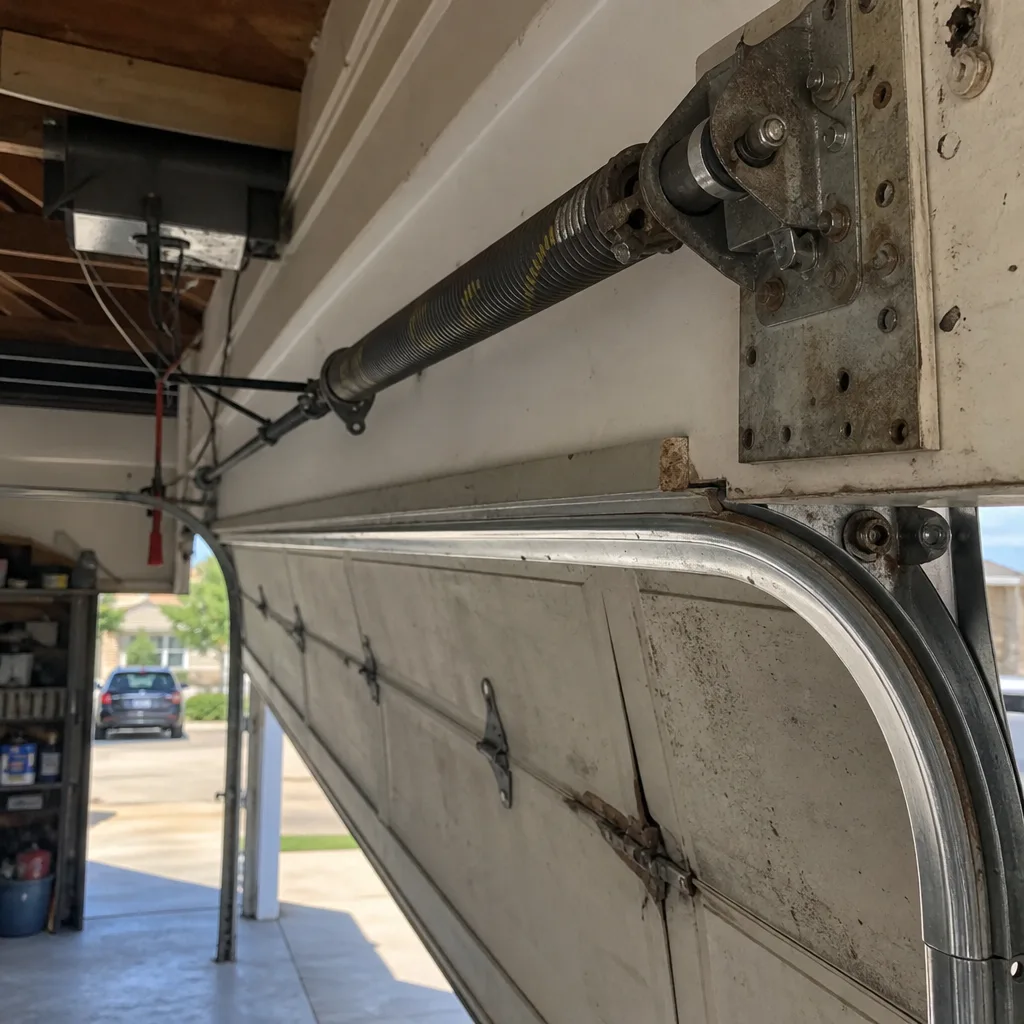 Before
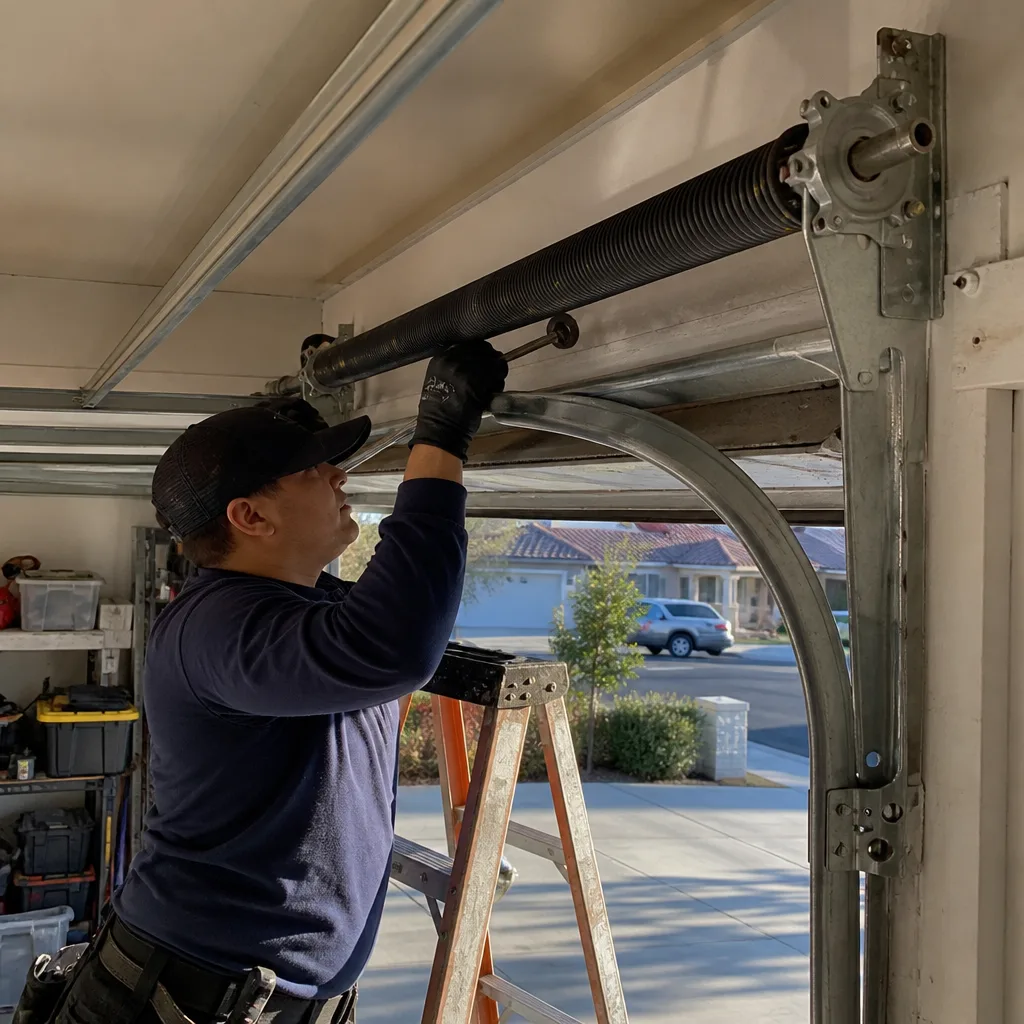 After
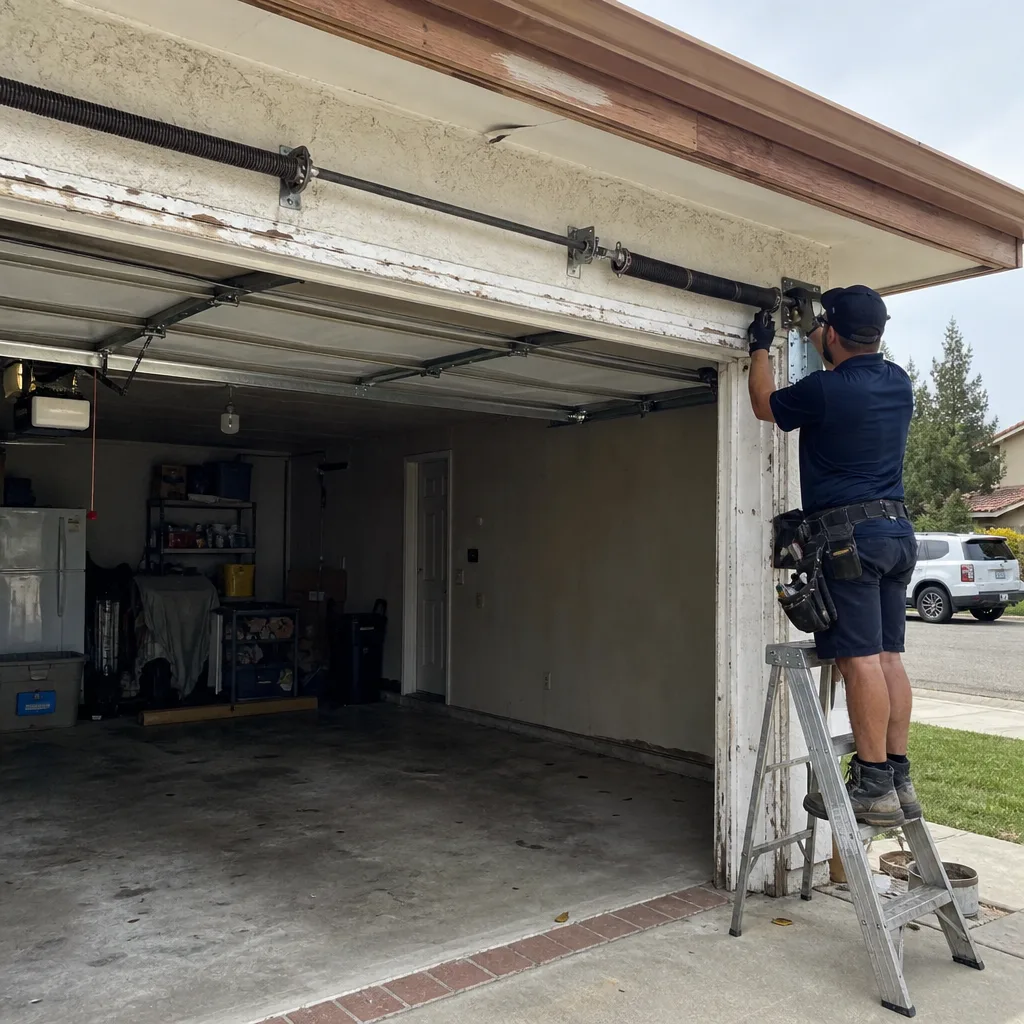 Before
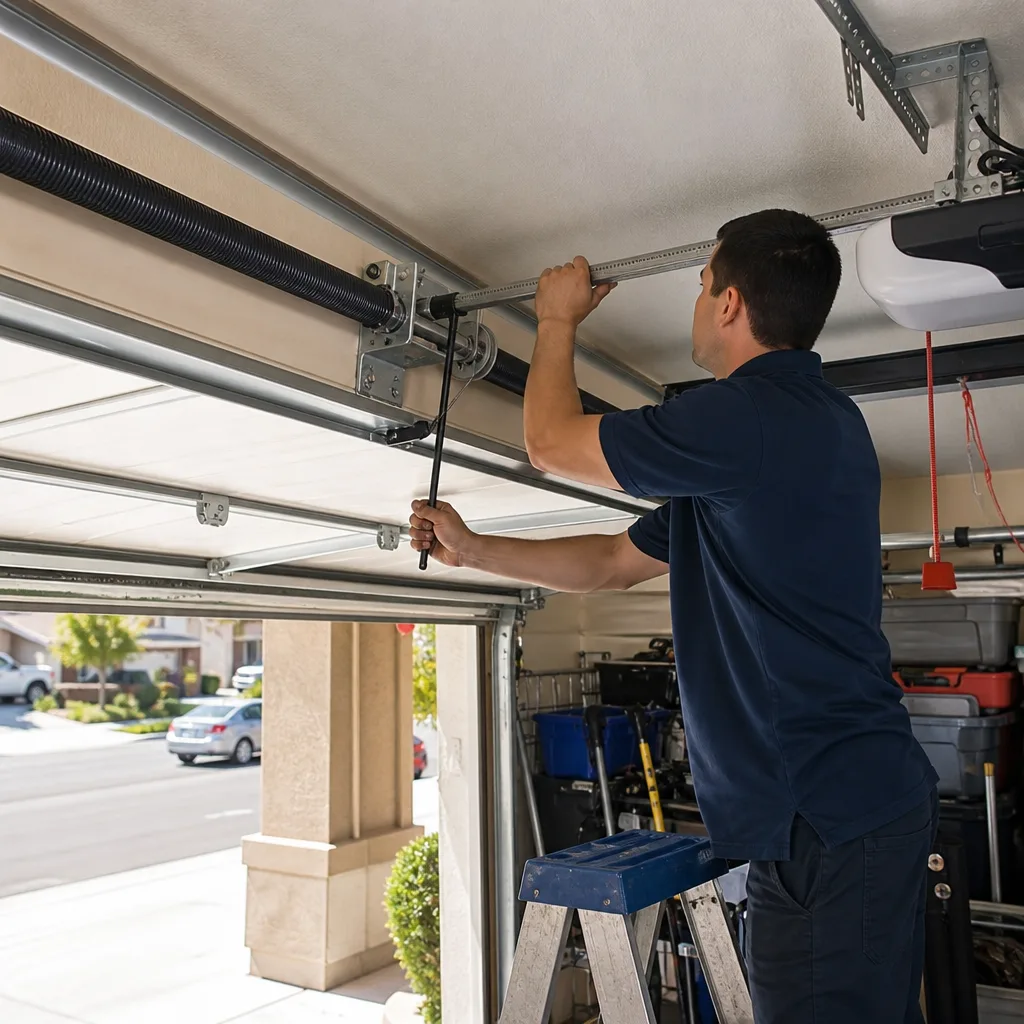 After
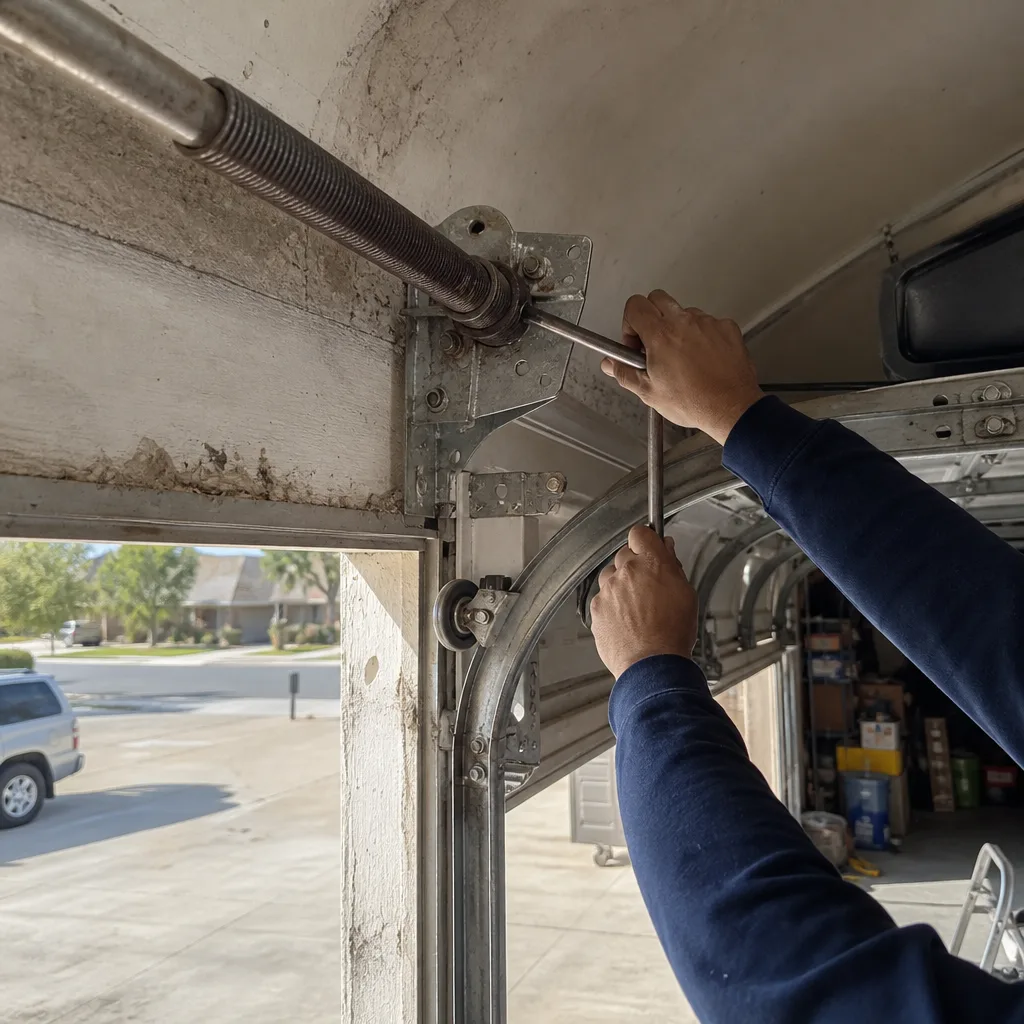 Before
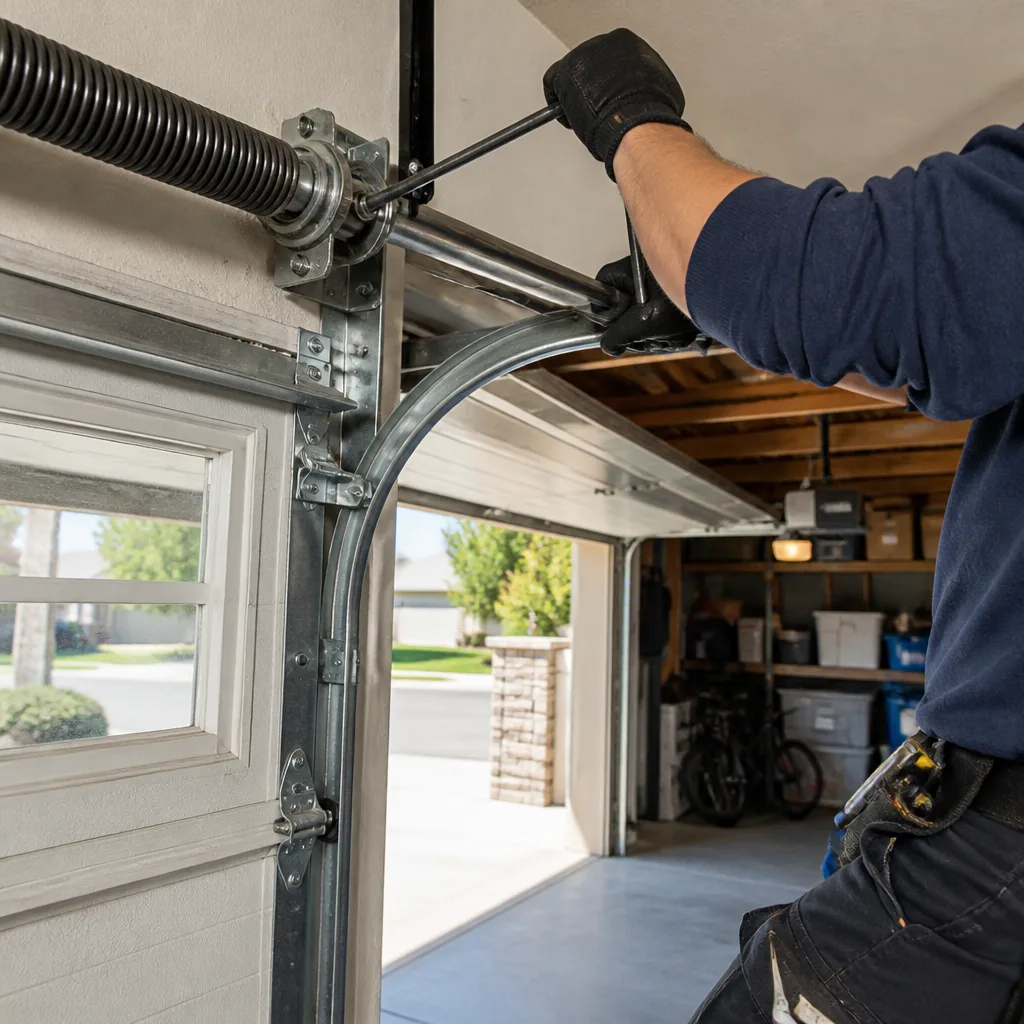 After