
Last updated October 31, 2026
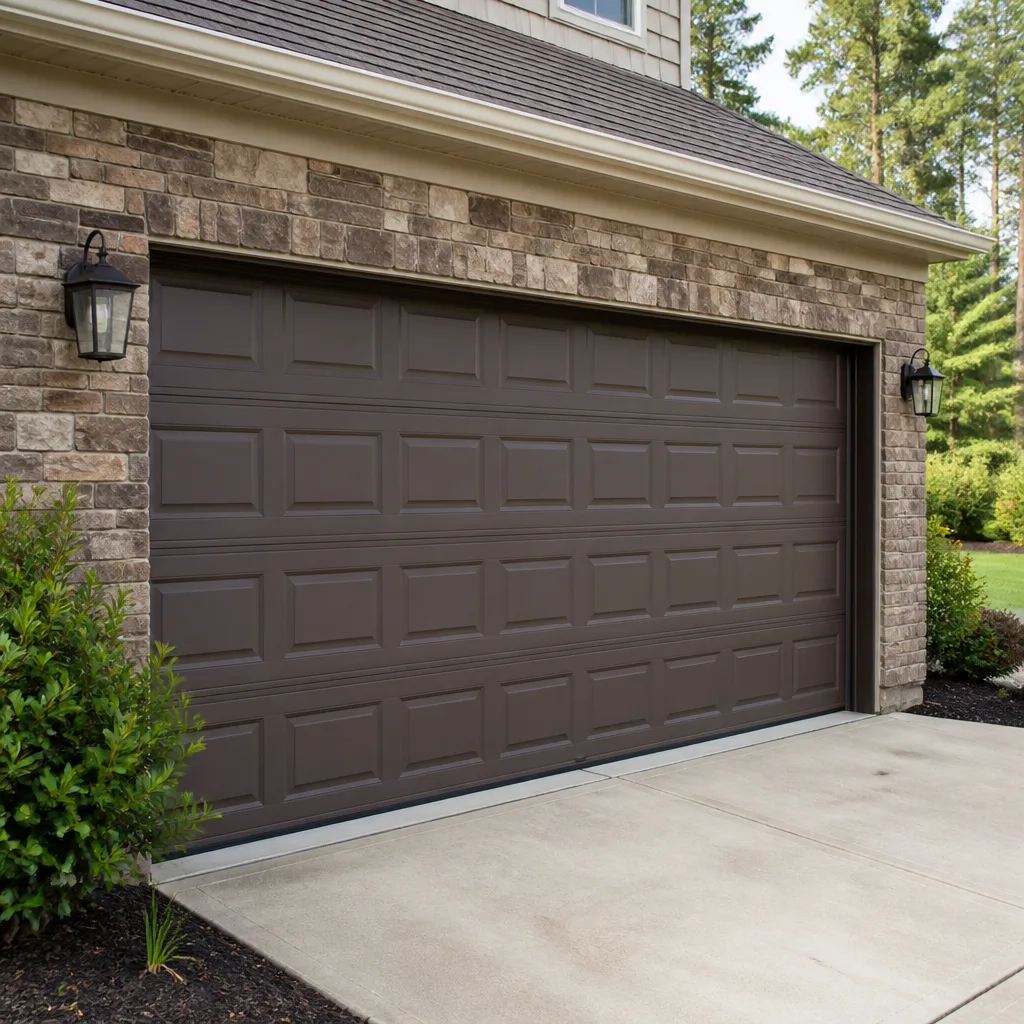 Raised-panel steel
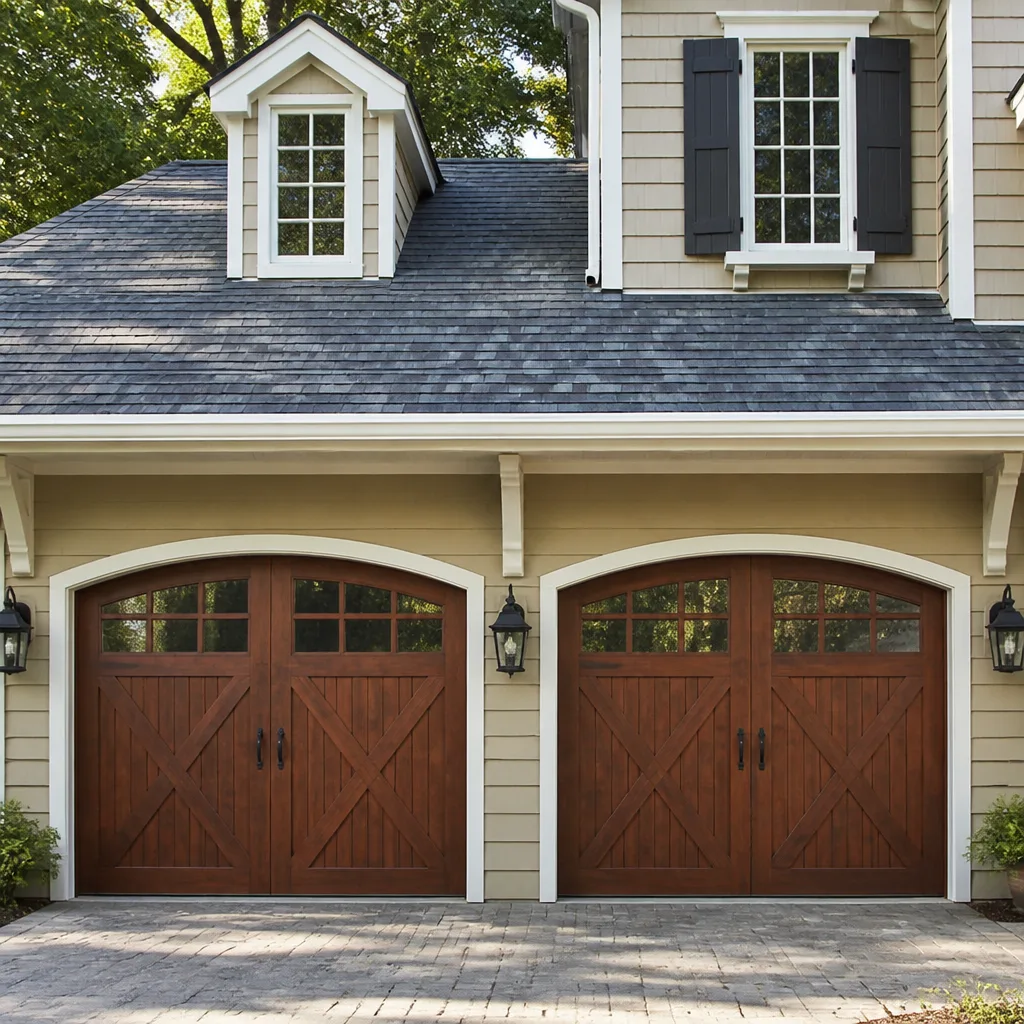 Carriage house
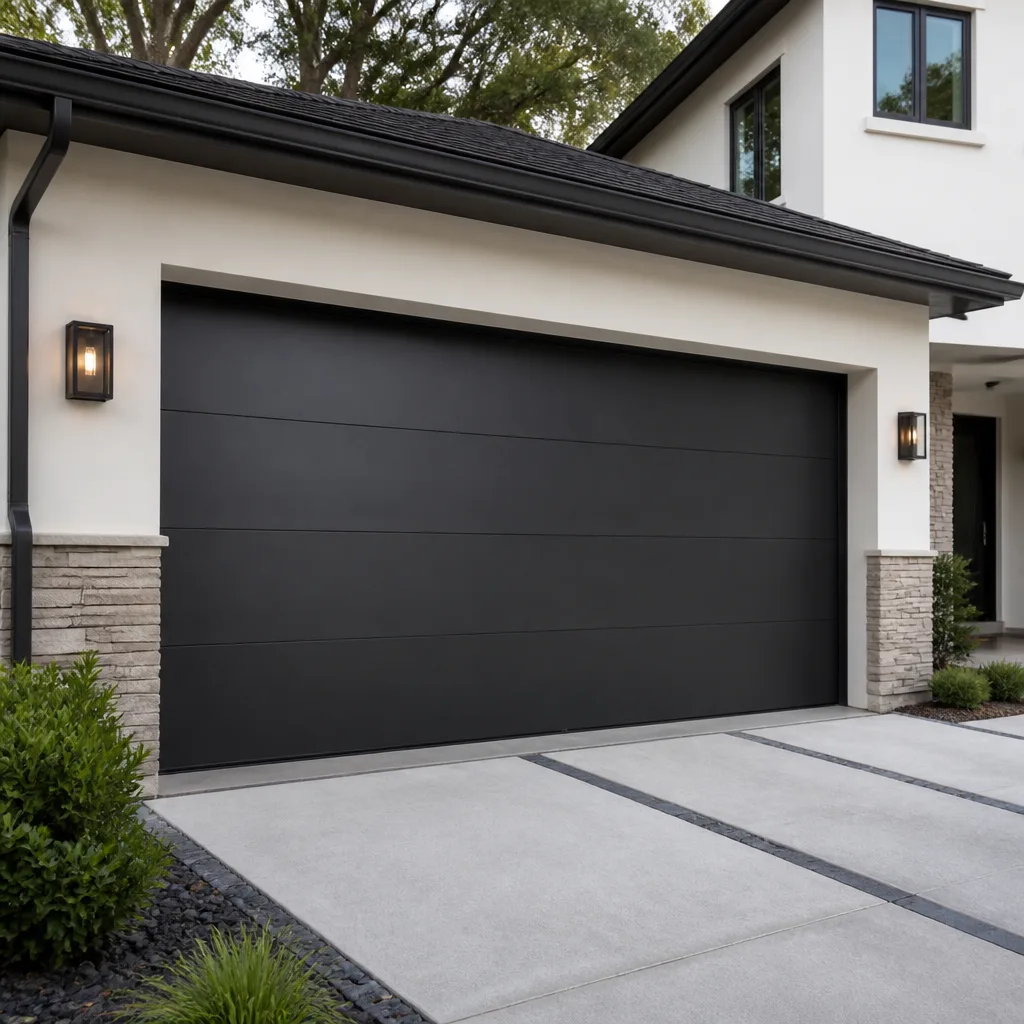 Modern flush
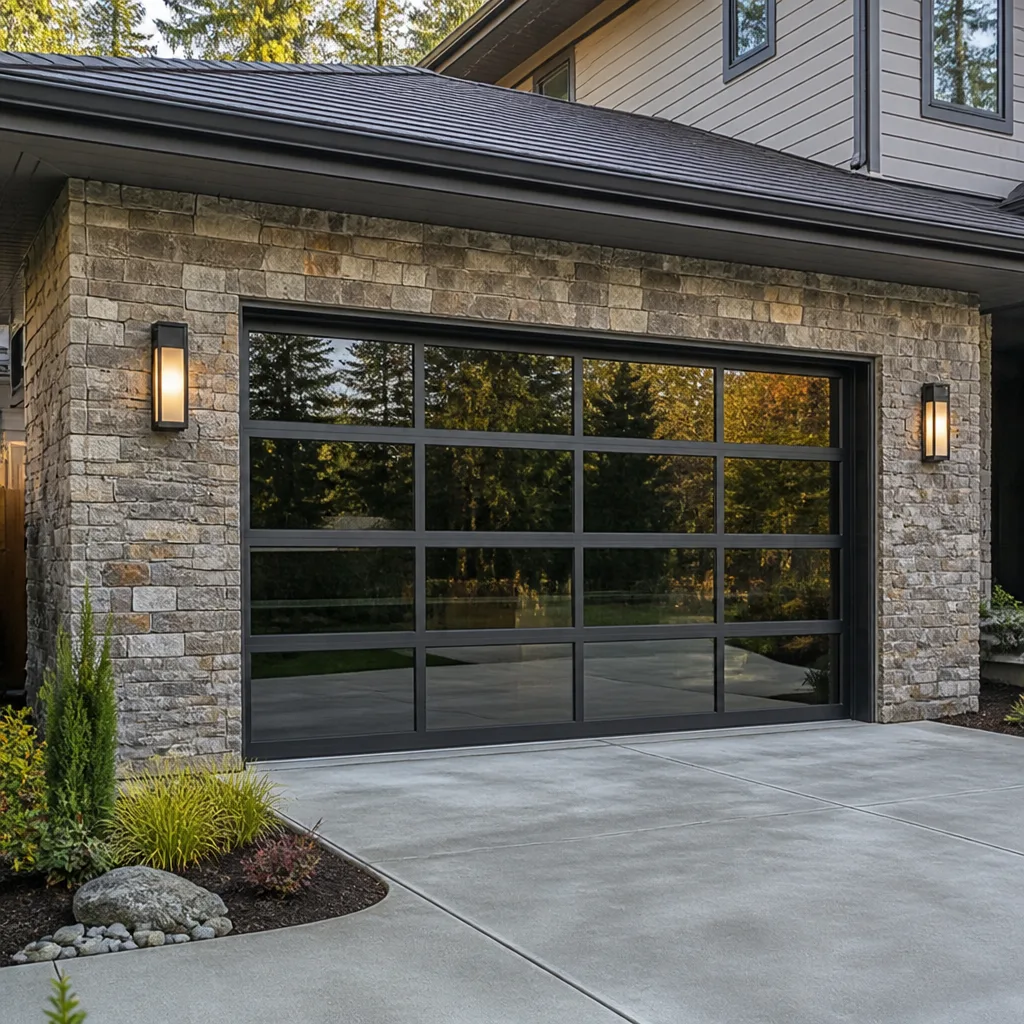 Full-view glass
 LiftMaster openers
 Chamberlain openers
Full 25-point door and opener safety check with every visit - springs, cables, rollers, tracks, and your LiftMaster or Chamberlain opener included
You get a price before we start. It does not change when the truck arrives.
Get your free estimateThe Complete Garage Door Repair Guide for Murrieta Homeowners
Most garage door failures in Murrieta trace back to two things: the temperature swings between the valley floor and the surrounding hills, and the builder-grade hardware installed in the area’s high-volume housing developments of the 1990s and 2000s. National repair guides don’t account for either. This guide maps the specific failure patterns we see across Murrieta’s Copper Canyon, Bear Creek, and Greer Ranch neighborhoods, so you stop paying for misdiagnosed repairs and start fixing the actual problem the first time. For more guides & resources, visit our blog.
Quick Answer
Garage Door Repair in Murrieta typically costs between $150 and $450 for most mechanical fixes, with spring replacement running $180 – $340 and opener replacement from $350 – $700. The most common failures we see are torsion spring fatigue from Murrieta’s extreme temperature swings and stripped gears in builder-grade openers installed in 1990s tract homes. Most repairs are completed same-day; spring and cable work should always be left to a trained technician due to serious injury risk.
Styles & brands we work with
Table of Contents
- How Murrieta’s Climate Destroys Garage Door Components Faster Than Normal
- The Builder-Grade Problem: What Your Tract Home Is Hiding
- Component-by-Component: What Breaks, What It Costs, and Repair vs. Replace
- What’s Actually Safe to Fix Yourself (and What Absolutely Isn’t)
- How to Document a Repair Call So You Don’t Get Upsold
- Brand-Specific Quirks We See in Murrieta Garages
- Common Mistakes to Avoid
- When to Call a Professional
- Frequently Asked Questions
How Murrieta’s Climate Destroys Garage Door Components Faster Than Normal
Murrieta sits in a temperature bowl. Summer days routinely hit the high 90s, while early mornings can dip into the 50s. That’s a 40-degree swing before noon, and your garage door feels every degree of it. Torsion springs are rated for roughly 10,000 cycles, which translates to about 7 to 10 years of normal use. But “normal” is a coastal California assumption. In Murrieta’s heat, the metal expands daily, contracts nightly, and fatigues faster. We regularly replace springs in Murrieta garages that are 5 to 6 years old, not because they were defective, but because the temperature cycling accelerated the metal fatigue.
Humidity plays a role too, even though Murrieta’s climate is dry by coastal standards. The Santa Ana winds carry fine dust that coats cables and rollers, acting like sandpaper. Cables that would last 15 years in San Diego may start fraying after 8 years in Murrieta. Galvanized hardware rusts slowly, and when it does, the friction increases. A door that ran quietly for years starts groaning, and that sound is usually friction-induced wear on rollers or hinges, not the opener itself.
What this means practically: Murrieta homeowners should budget for spring replacement every 5 to 7 years, not the 10 to 12 you’ll see quoted in national guides. Annual lubrication with a silicone-based spray on rollers, hinges, and springs (not WD-40, which attracts dust) extends component life measurably here. We recommend a quick visual inspection every spring and fall, specifically looking at spring coils for gaps or rust, and cable strands for fraying near the drum.
Murrieta’s newer western developments, including the communities off Clinton Keith Road and the neighborhoods climbing toward La Cresta, face added wind exposure. Wind loads stress the horizontal track and the operator’s travel limits. Doors in these exposed areas tend to develop track misalignment and limit-switch drift faster than homes in the more sheltered central Murrieta neighborhoods.
The Builder-Grade Problem: What Your Tract Home Is Hiding
If your Murrieta home was built between roughly 1995 and 2008, there’s a strong chance it left the developer with a builder-grade garage door system. Builders in Murrieta’s high-volume subdivisions, including much of the area around Murrieta Valley High School and the neighborhoods east of the 215, typically installed the least expensive door, opener, and spring configuration that met code. See The Complete Guide to Garage Door in Murrieta for a full breakdown of local installation practices. That’s not a knock on the builders. It’s simply how volume construction works.
The standard package usually included a 1/2 HP chain-drive opener, often a entry-level Chamberlain or Genie, paired with a 24-gauge pan door and 7-foot springs rated for minimal cycles. These systems work fine for five to seven years. Then the cycle ratings are exhausted, the chain stretches, the gear strips, and the spring snaps. We see this pattern weekly across Murrieta: homes built in the late 1990s and early 2000s reaching their second or third spring replacement, with openers now old enough to justify full replacement rather than band-aid repairs.
Here’s the breakdown of what was standard in specific Murrieta subdivisions:
- Copper Canyon (2001 – 2007): Mostly Chamberlain chain-drive openers and Wayne Dalton torquemaster spring systems. The torquemaster design has largely been phased out, and parts are now harder to source. When these fail, we often recommend converting to a standard torsion spring, which is more serviceable and less expensive to maintain long-term.
- Bear Creek (1998 – 2005): Predominantly Genie screw-drive openers and extension springs on lighter doors. The screw-drive carriages wear out and get loud, and extension springs, while safer to work on than torsion, snap without warning if not inspected.
- Greer Ranch (2003 – 2008): A mix of LiftMaster and Chamberlain, with heavier carriage-style doors. We see more track and roller issues here due to door weight, and the opener brains often outlast the mechanical carriage.
- Central Murrieta / Historic (pre-1995): Widely varied. Many doors here have been replaced at least once, but we still find original extension-spring systems that should have been upgraded 20 years ago.
Why this matters: knowing what your tract home was built with tells you what’s likely to fail next. If you live in Copper Canyon and still have the original torquemaster system, you’re on borrowed time. If you’re in Bear Creek with a screw-drive Genie, the motor may be fine but the carriage may be shot. Diagnosing by neighborhood and build era gets you to the correct fix faster than a generic “door won’t open” guess.
Component-by-Component: What Breaks, What It Costs, and Repair vs. Replace
Here’s the direct answer for every major component. These price ranges reflect what we see across Murrieta in a typical year, including parts and labor. Prices are quoted and agreed before any work starts, so there are no surprises on the invoice.
Torsion Springs
Murrieta cost range: $180 – $340 for a pair, installed. This is the most common garage door repair in Murrieta, full stop. Springs are rated in cycles, not years, and the 10,000-cycle springs installed at new construction are typically exhausted in 5 to 7 years in this climate. Upgrading to 25,000-cycle springs costs about $40 – $70 more and roughly doubles the service life. If you plan to stay in the home more than three more years, the upgrade pays for itself.
Cables
Murrieta cost range: $125 – $220 per pair, installed. Cables fail two ways: fraying from wear and snapping under spring failure. If your spring snapped, the cable likely sustained damage at the same moment. Inspect cables for strands poking out near the bottom bracket and the drum every few months. In Murrieta’s dust, a dry cable wears faster than a lightly lubricated one, though you should never grease cables heavily; dust adheres to grease and accelerates wear.
Rollers
Cost range: $10 – $25 per roller for nylon replacements, installed with a full set typically running $120 – $200. Steel rollers last 5 to 7 years before the bearings flatten and the door gets noisy. Nylon rollers are quieter and last longer. If your door sounds like a freight train, it’s probably rollers, not the opener.
Hinges
Cost range: $15 – $35 per hinge, installed. Hinges crack, especially on double-wide doors in Murrieta’s heat. The stress concentrates on the hinge closest to the center, and that’s usually the one that fails. This is a simple, quick repair.
Track and Brackets
Cost range: $125 – $350 for track realignment or rebuild. Tracks get knocked out of alignment by door collisions (usually kids backing out too early), wind loads in exposed hillside locations, and loose fasteners from thermal expansion. A misaligned track is dangerous; it can cause the door to derail and fall. This is not a DIY fix.
Opener Motors and Gears
Repair cost: $80 – $180 for a gear replacement. Replacement cost: $350 – $700 installed, depending on drive type and smart features. Chain-drive openers are loud but durable. Belt-drive openers are quieter and now standard for most installations. Screw-drive openers, common in late-90s tract homes, tend to strip carriages. If your opener is 15 years old or older, repair rarely makes financial sense. We service and repair openers from LiftMaster, Chamberlain, Genie, and Craftsman, and we’re experienced with MyQ smart systems for connected-home setups.
Door Panels
Repair cost: $150 – $400 per panel, depending on door width and finish. A dented bottom panel is the most common panel repair in Murrieta, usually from bumpers. If the door is builder-grade steel with 10+ years of sun exposure, a panel replacement can look mismatched. In those cases, full Garage Door Installation in Murrieta may be the honest recommendation. If the door is a Clopay or Amarr with an intact finish, panel replacement is often the better call.
What’s Actually Safe to Fix Yourself (and What Absolutely Isn’t)
There’s a dangerous gap between what YouTube shows and what’s actually safe. Two garage door tasks carry documented injury risk: torsion springs and cables under tension. Both are under enough stored energy to cause severe injury or death if mishandled. A torsion spring holds the entire weight of the door in wound coils. When it releases, it does so instantly. This is not a task where “be careful” is sufficient. We recommend that any spring or cable work be performed by a trained professional with proper winding bars and experience. Read DIY vs Professional Garage Door: The Murrieta Homeowner’s Decision Guide to understand when to call in help. The cost of professional spring replacement ($180 – $340 in Murrieta) is trivial compared to the risk.
That said, some tasks are genuinely safe and worth doing:
- Lubrication: Apply a silicone-based spray to rollers, hinges, and springs twice a year. This is the single highest-impact maintenance task you can do yourself. Avoid WD-40; it displaces moisture but attracts dust and provides no lasting lubrication in Murrieta’s dry conditions.
- Tightening loose hardware: The vibration of daily door operation loosens bolts and lag screws over time. Use a socket wrench to snug track bolts, hinge screws, and operator arm fasteners. This is safe and prevents bigger issues.
- Photo-eye alignment: If your door won’t close and the opener lights flash, the safety sensors at the bottom of the track may be misaligned or dirty. Wipe the lenses with a dry cloth and check that the small lights on each sensor are lit and steady.
- Balance testing: Pull the emergency release cord with the door closed, then manually lift the door. It should move smoothly and stay halfway open without you holding it. If it slams down or is very heavy, the springs need professional attention.
- Weather stripping replacement: The rubber seal along the bottom of the door degrades in Murrieta’s heat and cracks within a few years. Replacement seals cost $20 – $40 and install with simple tools.
The rule we tell every Murrieta customer: if it’s lubrication, tightening, or cleaning, go ahead. If it’s a spring, a cable, or anything involving the word “tension,” call a professional.
How to Document a Repair Call So You Don’t Get Upsold
Garage door repair has an unfortunate reputation for upsells because the customer usually can’t see the problem clearly. A broken spring is on the header, the door is heavy, and you’re late for work. That’s a situation where an unscrupulous tech can invent problems. Here’s how to protect yourself without being adversarial about it.
- Photograph the suspect components before the tech arrives. Use your phone to take clear pictures of the springs, cables, drums, rollers, hinges, and the opener chain or belt. These photos serve as your baseline. If the tech claims a component is broken that looked fine in your photo, ask them to show you the damage in person.
- Ask for the failed part back. A legitimate tech replaces the part and shows it to you. Springs, cables, and gears are physical objects. If the tech says a gear is stripped, the stripped gear should be in their hand or on the floor. This simple request eliminates most fictional repairs.
- Request a written quote before work starts, and confirm it’s final. Every legitimate repair is priced before the wrench turns. If a price changes mid-repair, stop the work and ask why. At Murrieta Garage Door Service, the price you’re quoted is the price you pay, agreed before any work begins.
- Get the spring specs in writing. When springs are replaced, ask for the cycle rating of the new springs. A 10,000-cycle spring costs the tech less than a 25,000-cycle spring. If you didn’t ask, you may get the lower-cycle springs at the higher price. This is the single most common upcharge we see in this industry.
- Ask about warranty coverage in writing. Springs typically carry a 3 to 5 year warranty from a reputable company. If the tech can’t tell you the warranty terms in a sentence, that’s a red flag.
For a deeper dive on what to expect from a repair visit, see our Garage Door Repair in Murrieta page, which covers our process step by step.
Brand-Specific Quirks We See in Murrieta Garages
Garage doors are all just doors until you’ve fixed a thousand of them. Then you notice patterns. We work on eight major brands across Murrieta: LiftMaster, Chamberlain, Genie, Clopay, Amarr, Wayne Dalton, Craftsman, and Raynor. Each has its own failure personality.
Genie: The screw-drive models from the late 1990s and early 2000s are tanks, but the carriage wears and gets noisy. The older chain-drive Genies also tend to blow capacitors in heat waves. If you’re in Bear Creek or another neighborhood with original Genie openers, check the capacitor if the opener hums but won’t move.
Clopay: Clopay doors themselves are well-built. The weak point is the factory-installed hardware on entry-level models. Hinges and brackets are the first to go, not the panels. If your Clopay door is sagging or binding, it’s usually hinge wear, not a door failure.
Amarr: Amarr builds a solid door with good powder coat. The recurring issue we see is spring cycles exhausting early on the builder-installed torque tubes, especially in the Copper Canyon builds. The door itself is rarely the problem; it’s the spring system underneath it.
Wayne Dalton: The torquemaster spring system, common on Wayne Dalton doors in Murrieta tract homes, is a sealed tube design that’s difficult to service. Parts are increasingly scarce, and many Murrieta homeowners are converting to standard torsion springs when these fail, which improves both serviceability and long-term repair costs.
If you’re in a home with the original builder-grade opener and you’re weighing repair versus replacement, our Garage Door Opener Repair in Murrieta page breaks down the decision by opener type and age.
Common Mistakes to Avoid
- Ignoring a noisy door for six months. Grinding, squealing, or rattling is a symptom, not a personality trait. A door that’s been noisy for months has usually progressed from a $15 roller to a $250 track repair. In Murrieta’s heat, we see this progression happen fast.
- Using WD-40 on springs and rollers. WD-40 is a solvent, not a lubricant. It strips whatever lubrication remains and leaves a sticky residue that attracts Murrieta’s fine dust. Use a silicone or lithium spray instead.
- Attempting torsion spring replacement without the right tools. This is the single most dangerous DIY repair in any home. The springs hold enough stored energy to break bone or kill. Murrieta emergency rooms see these injuries, and they’re never worth saving $300.
- Replacing the opener before checking the door balance. If the door itself is heavy or unbalanced, a new opener will struggle, burn through gears, and fail prematurely. We frequently replace openers in Murrieta homes where the actual problem was a tired torsion spring. Balance test first, opener second.
- Accepting a vague “it depends” without numbers. Any reputable tech can give you a firm price for spring replacement, cable replacement, or a gear job over the phone. If the company won’t quote numbers before rolling a truck, call someone else.
- Not asking the build era of your home when diagnosing. Murrieta’s 1990s and 2000s tract homes have predictable failure patterns. A tech who knows your neighborhood’s builder-grade hardware diagnoses faster and avoids guessing.
When to Call a Professional
Call a professional any time the repair involves springs, cables, track alignment, or an opener motor. These are the components that carry the door’s weight, store energy, or require precise adjustment. A door that slams, a cable that’s fraying, a spring with a visible gap in the coil, or an opener that works intermittently all warrant immediate attention. Operating the door while a spring is broken can cause the door to fall off its track, which is a far more expensive problem than the spring ever was. If your door won’t open smoothly, stop using it and call. Murrieta Garage Door Service offers free estimates in Murrieta – call (866) 798-2664 and we’ll quote the repair over the phone before dispatching a tech.
Frequently Asked Questions
Spring replacement in Murrieta typically costs $180 to $340 for a pair of torsion springs, including labor. The price depends on spring size, cycle rating, and door weight. Upgraded 25,000-cycle springs add $40 to $70 but last roughly twice as long, which is worth it for most Murrieta homeowners. Call (866) 798-2664 for an exact quote for your door.
Yes, we keep Murrieta repair calls on a same-day schedule for spring, cable, and roller work. Parts are stocked on the truck for the most common systems in Murrieta tract homes, so the repair is usually completed in a single visit. For less common parts, we can source them within a day or two.
Flashing opener lights with a reversing door almost always mean a misaligned or obstructed photo-eye sensor. Check that both sensors at the bottom of the track are pointed at each other, the lenses are clean, and nothing is in the beam path. If the sensors are aligned and clean, the issue may be a failing sensor or logic board, which we can diagnose and repair for most Chamberlain, LiftMaster, Genie, and Craftsman openers.
If the opener is under 10 years old and the failure is a gear, capacitor, or carriage, repair is usually the right call at $80 to $180. If the opener is 15 years or older and the motor is struggling or the unit lacks safety features like auto-reverse, replacement at $350 to $700 makes more sense. We repair what can be repaired and only recommend replacement when it’s genuinely the better long-term value.
No. We quote the repair over the phone based on what you describe, and that price is confirmed before any work starts. If the tech arrives and finds a secondary issue, we show you the problem and quote the additional work separately. You’re never billed for anything you didn’t approve in advance. Call (866) 798-2664 to get a quote before scheduling.
We service LiftMaster, Chamberlain, Genie, Clopay, Amarr, Wayne Dalton, Craftsman, and Raynor systems. We don’t push you toward a replacement just because we don’t stock your brand’s parts. We work on the door and opener you already have, and we stock parts for Murrieta’s most common builder-installed systems on the truck.
Murrieta’s daily temperature swings, often 40 degrees or more in summer, stress metal springs through repeated thermal expansion and contraction. That cycling fatigues the steel faster than the milder, more stable temperatures along the coast. Dust from Santa Ana winds accelerates cable and roller wear. We recommend annual inspections and lubrication to offset the climate’s effect on your door components.
The Bottom Line
Murrieta’s climate and tract-home construction create predictable garage door failure patterns. Springs wear out in 5 to 7 years instead of 10. Builder-grade openers from the late 90s and early 2000s are reaching end-of-life across Murrieta’s major subdivisions. Cables fray faster in the heat and dust. The good news is that every one of these failures has a known fix and a fair price, especially when you catch it early. Document your door, know your repair price before the tech arrives, and leave the tension work to a professional. If you need garage door help in Murrieta, start with our Murrieta Garage Door Service home page or call (866) 798-2664 for a free estimate.
Written by the team at Murrieta Garage Door Service, serving Murrieta since 2014.
See the difference
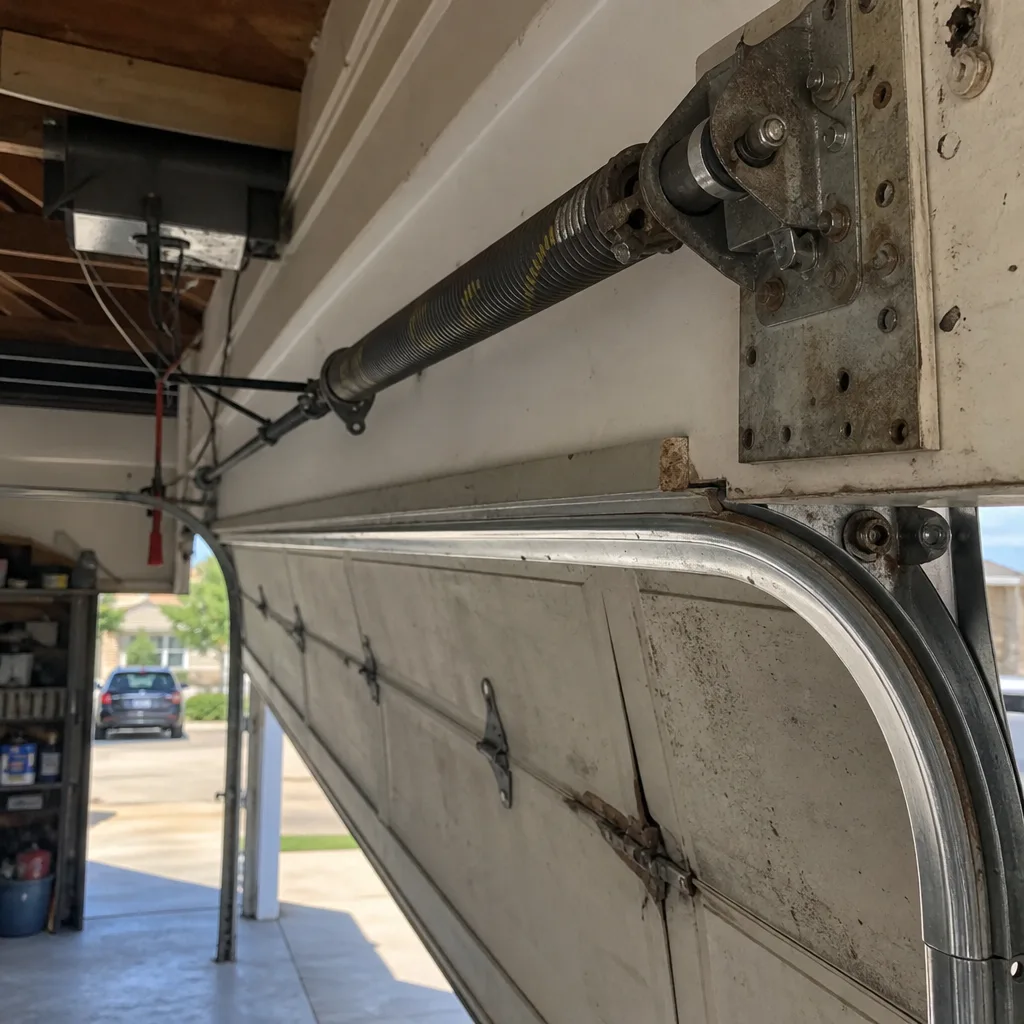 Before
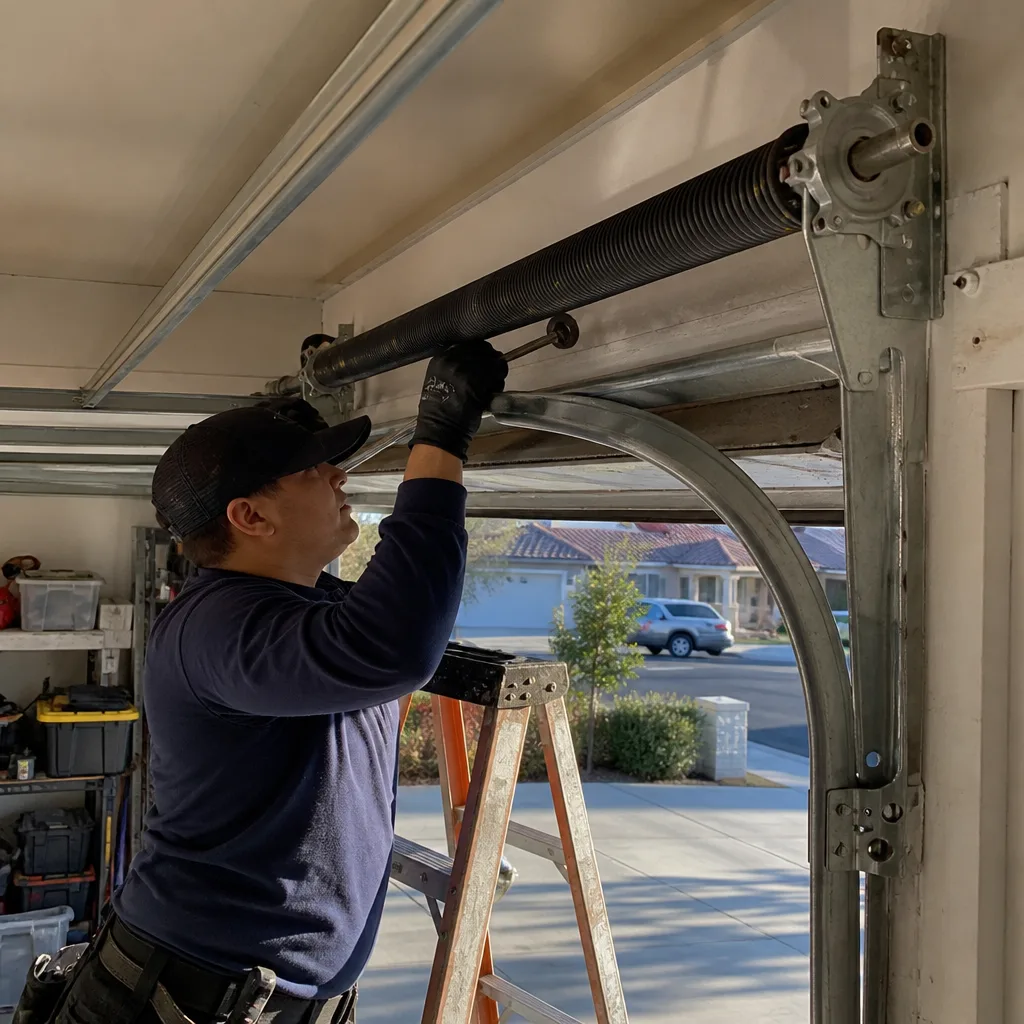 After
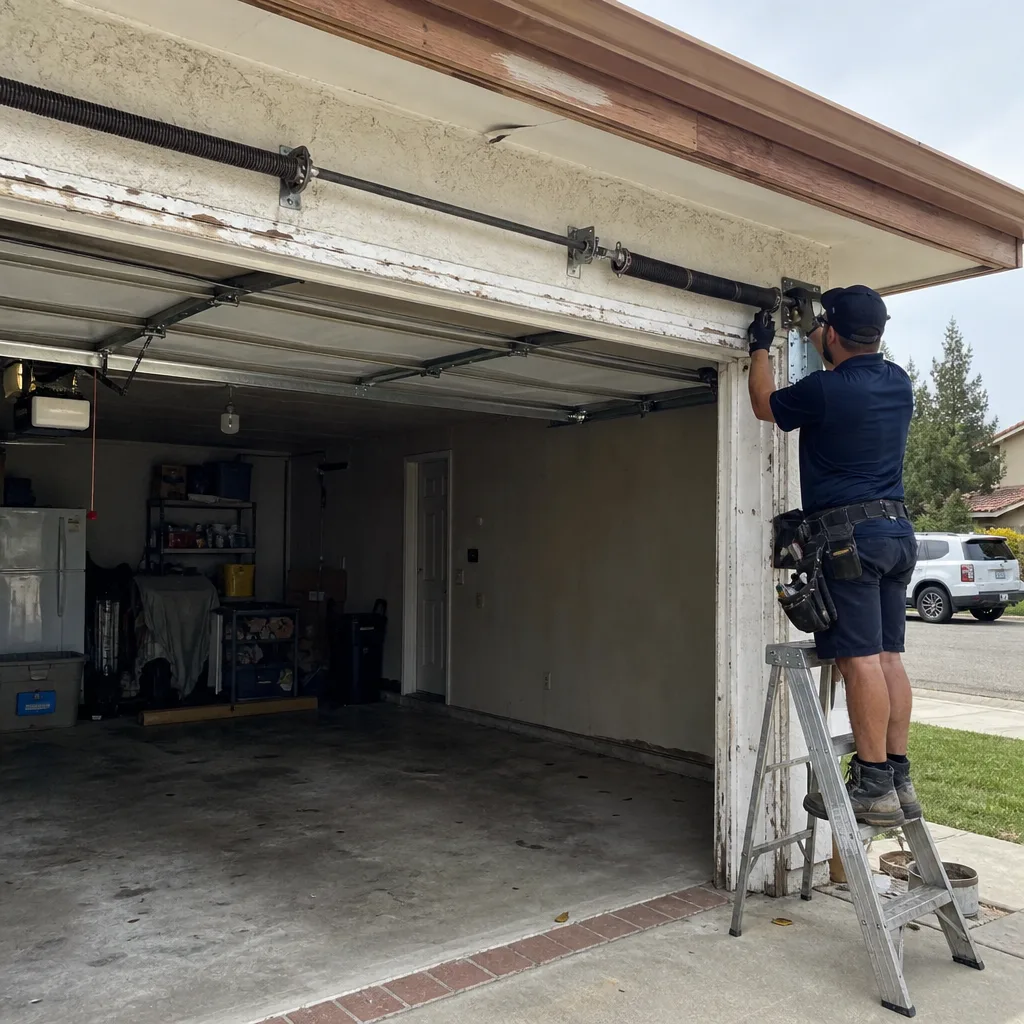 Before
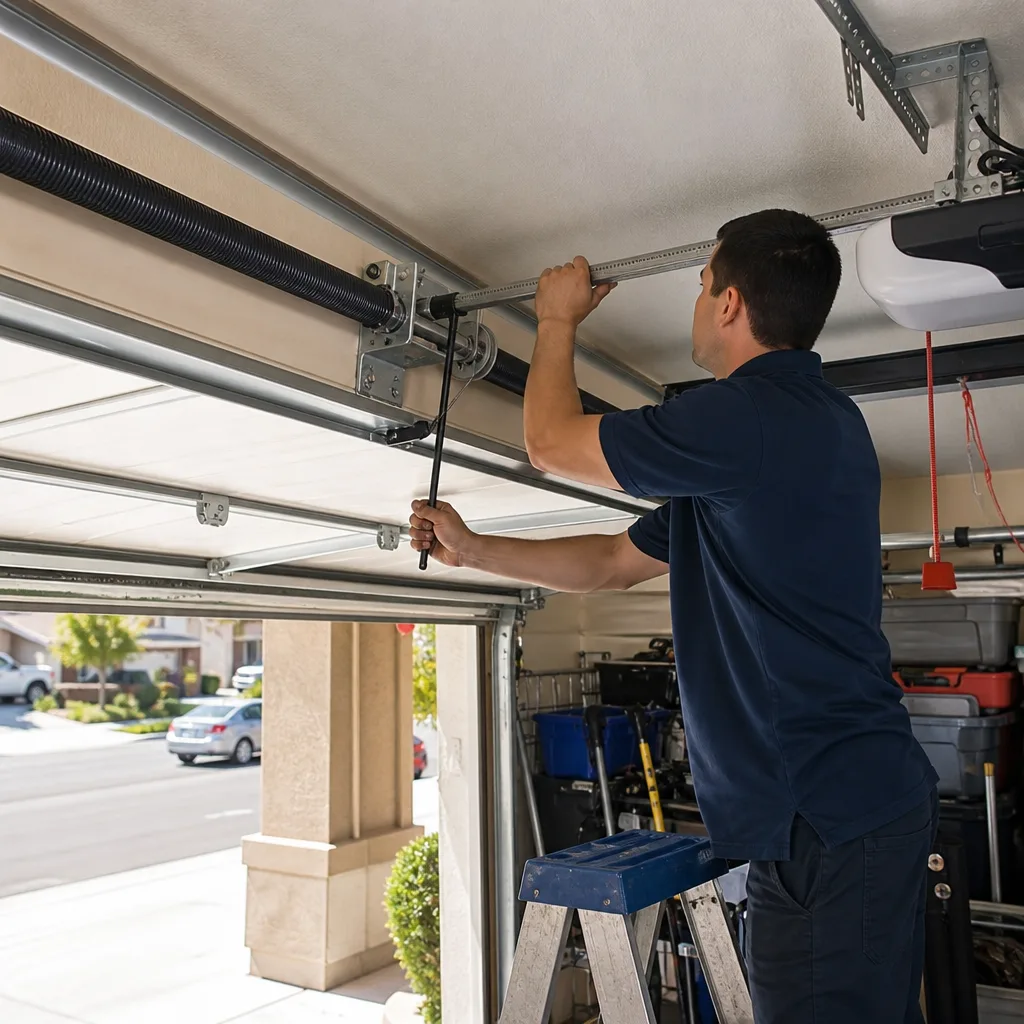 After
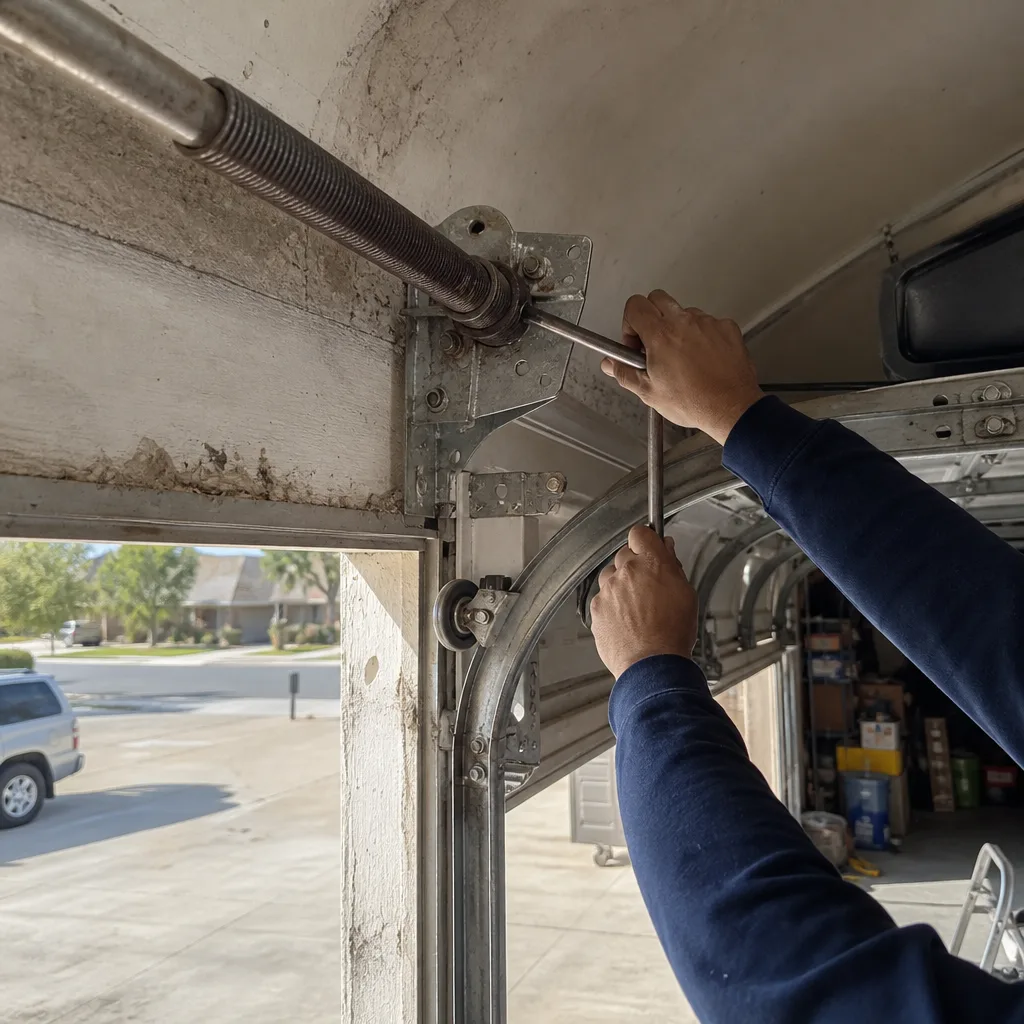 Before
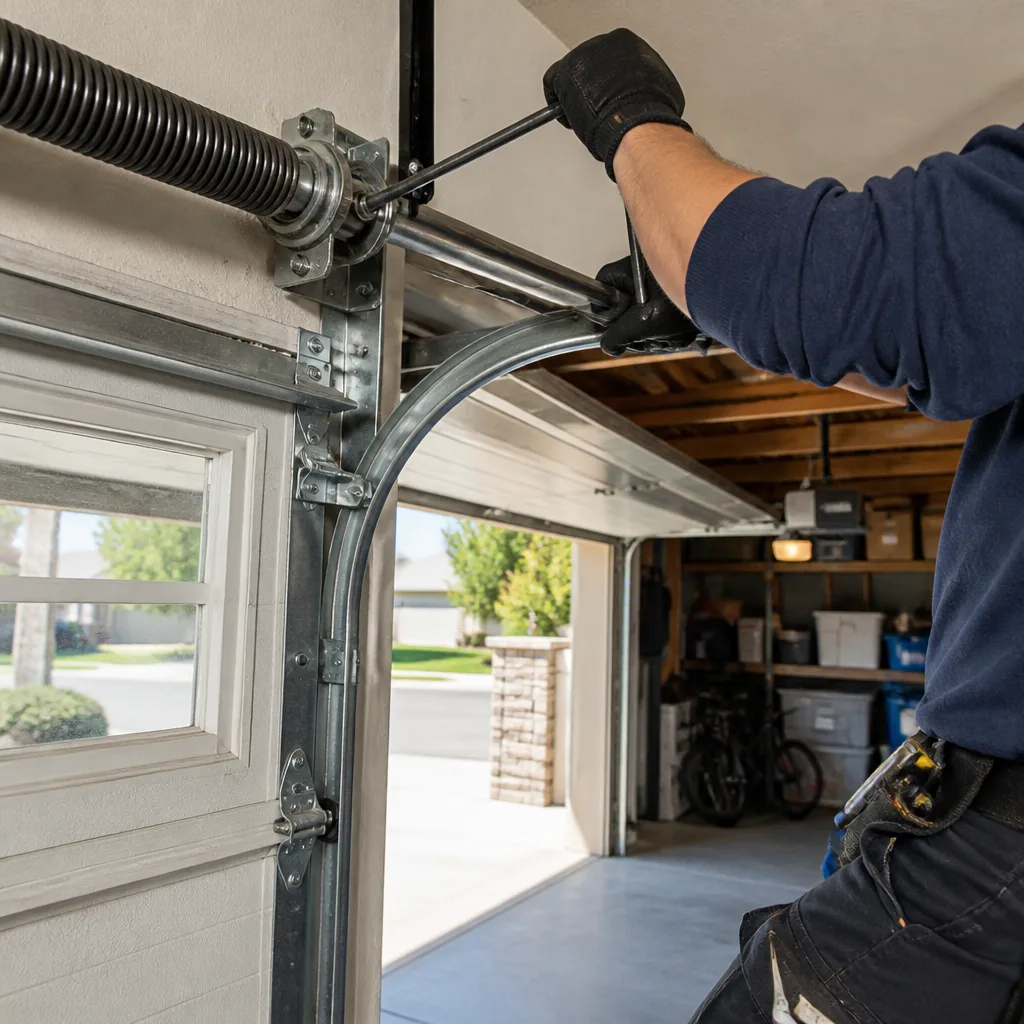 After