
Last updated October 31, 2026
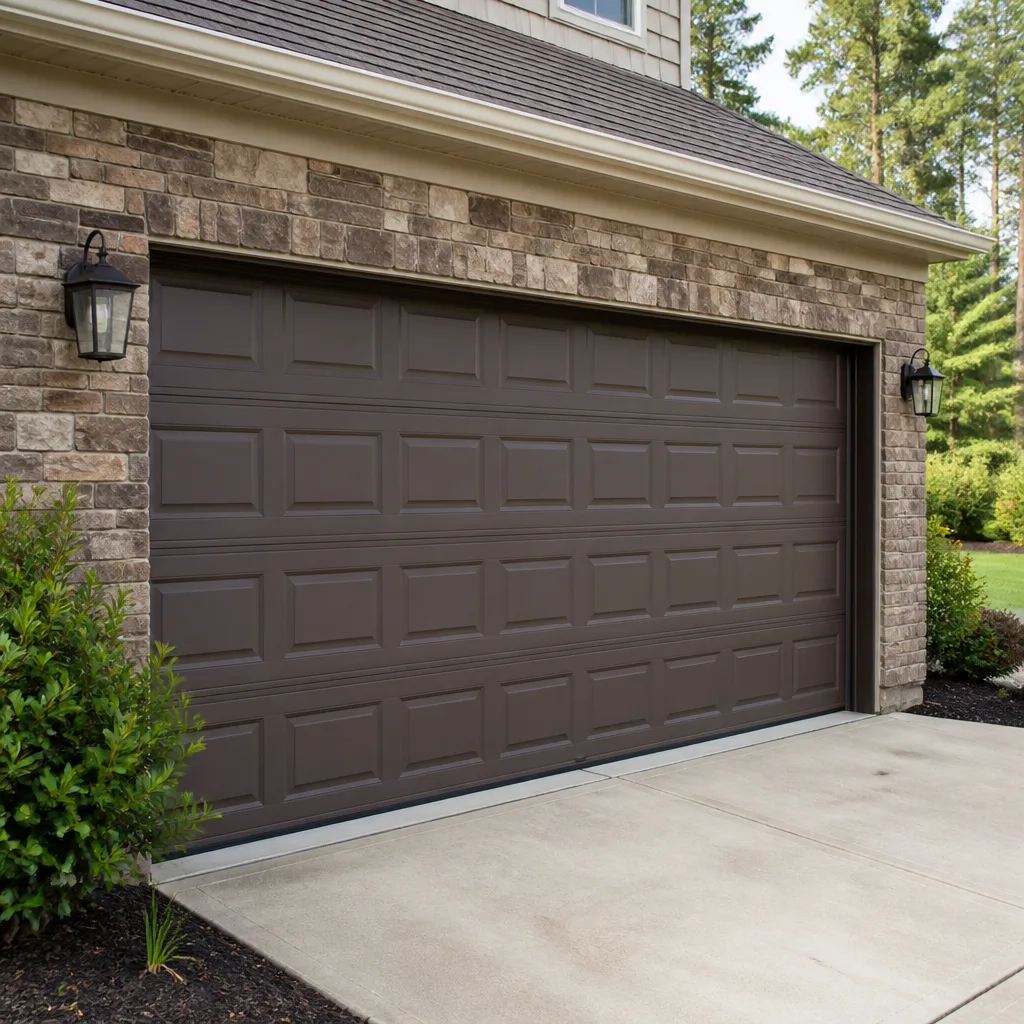 Raised-panel steel
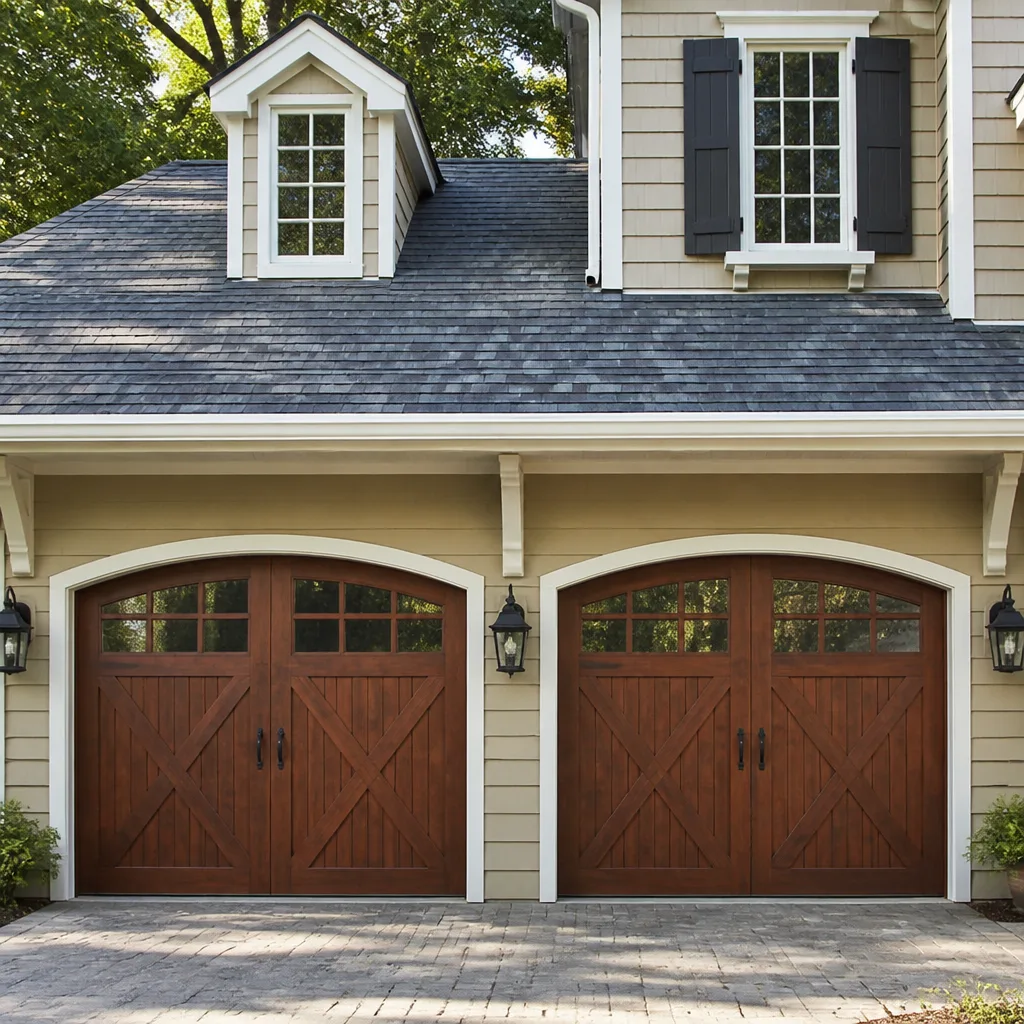 Carriage house
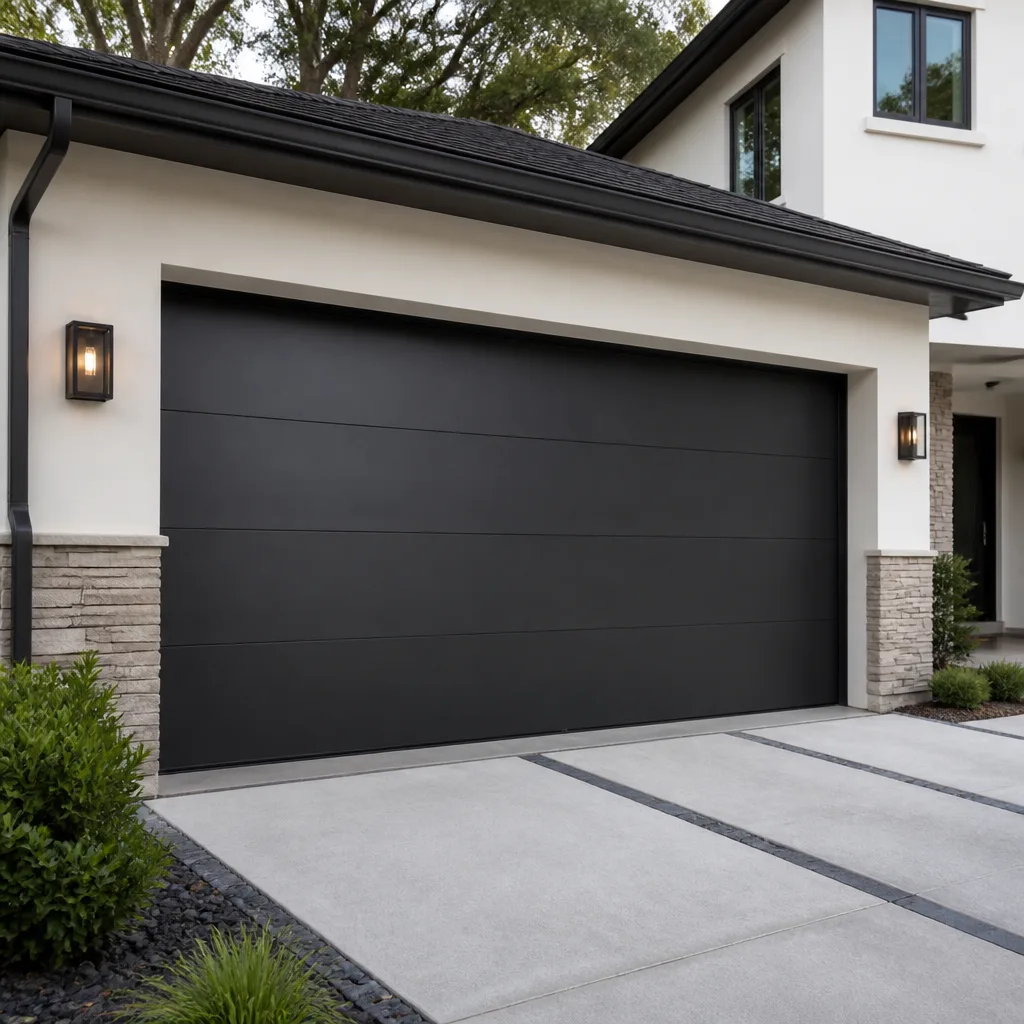 Modern flush
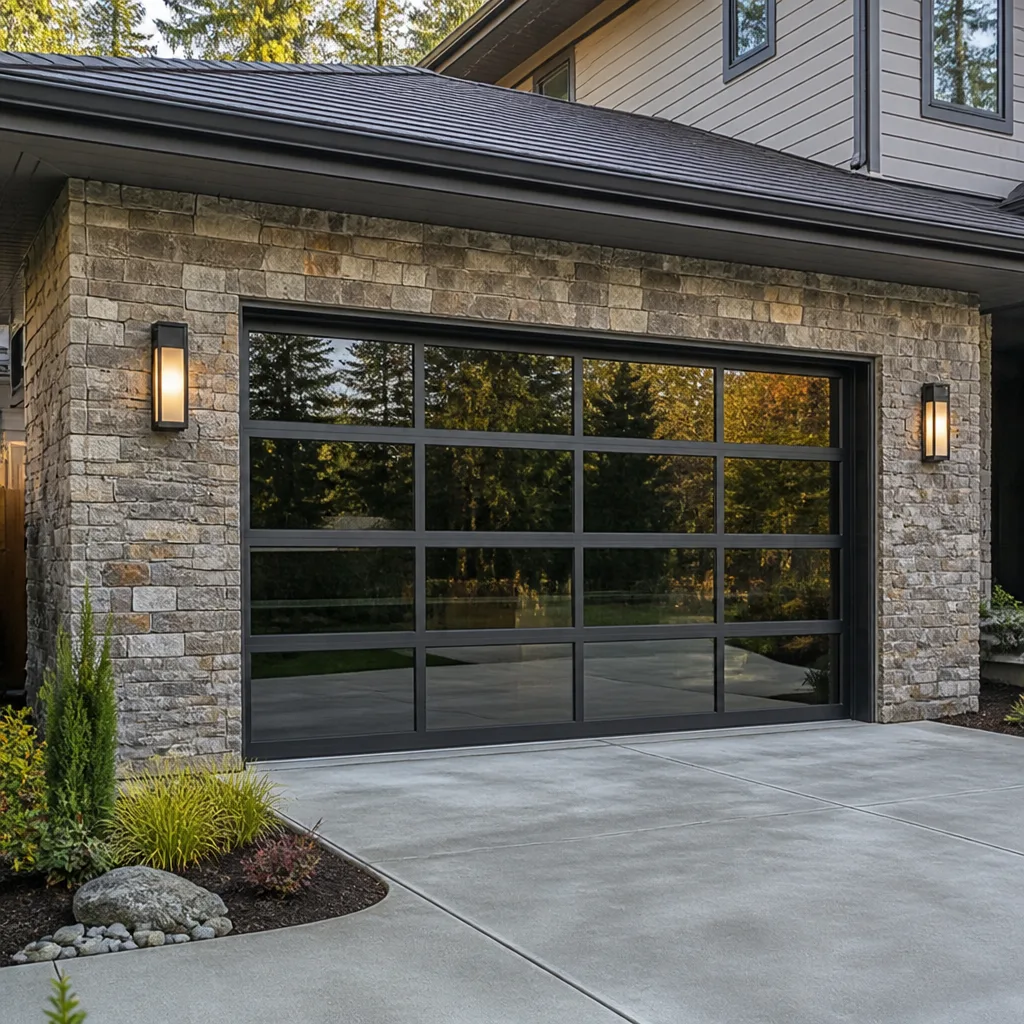 Full-view glass
 LiftMaster openers
 Chamberlain openers
Full 25-point door and opener safety check with every visit - springs, cables, rollers, tracks, and your LiftMaster or Chamberlain opener included
You get a price before we start. It does not change when the truck arrives.
Get your free estimateThe Complete Guide to Garage Door in Murrieta
Here’s a number most Murrieta homeowners have never thought about: a large share of the garage doors in this city were installed within the same five-year window. During the 2000s building boom, master-planned communities like Greer Ranch, Mapleton, Spencer’s Crossing, and Copper Canyon went up at a pace that transformed Murrieta from a sleepy ranching town into one of Riverside County’s fastest-growing cities. That means thousands of torsion springs, opener motors, and roller sets all hit their 15-to-20-year service life at roughly the same time. Right now. This guide explains what that means for your door, what Murrieta’s specific climate does to garage hardware, and how to make smart decisions about repair versus replacement without paying for work you don’t need.
Styles & brands we work with
Quick Answer
The complete guide to garage doors in Murrieta covers what every homeowner in this city needs to know: which components fail first in our inland heat, how to identify your door’s brand and age before calling for service, what repair versus replacement looks like in real numbers, and how Murrieta’s HOA landscape affects your choices. If you’re dealing with an active problem right now, start with the sections on springs and openers below, then call Garage Door Repair in Murrieta for a free assessment.
Table of Contents
- How Murrieta’s Climate Wears Down Garage Doors
- The Lifespan Map: What Ages Out and When
- How to Identify Your Door’s Brand and Spec
- Repair vs. Replacement: A Honest Decision Framework
- HOA Rules in Murrieta: What You Need to Know Before Buying
- Garage Door Openers: Chain, Belt, and Smart Systems
- What a Handyman Can Do vs. What a Garage Door Specialist Handles
- Common Mistakes to Avoid
- When to Call a Professional
- Frequently Asked Questions
- The Bottom Line
How Murrieta’s Climate Wears Down Garage Doors
Murrieta sits inland enough that summer temperatures routinely cross 100°F, and the dry heat does two specific things to garage door components that coastal contractors rarely plan for. First, torsion spring steel fatigues faster in sustained heat exposure. Springs are rated for a set number of cycles, usually 10,000, but that rating assumes moderate conditions. A spring inside an uninsulated Murrieta garage that bakes at 110°F all afternoon in August loses a measurable amount of its service life compared to the same spring in, say, Carlsbad. We regularly replace springs in Murrieta that failed at the 7-to-9-year mark, well before their rated cycle count.
Second, the bottom seal and weatherstripping dry out and crack quickly in our climate. That vinyl or rubber strip along the bottom of the door is what keeps dust, leaves, and the occasional field mouse out of your garage. When it hardens in the heat, gaps form. You’ll notice dust accumulation along the interior wall, or daylight peeking under the door. That’s not cosmetic; it changes the thermal envelope of the garage and lets in the same heat that’s shortening your spring’s life.
There’s also a lesser-known Murrieta factor: Santa Ana winds. When those dry northeast winds kick up in fall, they push fine dust and debris against the door face, into the tracks, and into the roller bearings. Rollers that aren’t sealed, or that have plastic bearings, wear noticeably faster in windy seasons. Steel or nylon rollers with sealed ball bearings are the right call here, and most of the doors we service in older Murrieta neighborhoods still have the original plastic-bearing rollers from the 2000s.
A quick aside for accuracy: uninsulated garage doors are the ones that suffer most in Murrieta heat, particularly west-facing doors in the newer Copper Canyon and Mahogany Hills communities. If your door is original to a 2005 build, chances are it’s a thin steel or aluminum panel with no insulation and no thermal break. That door is working harder than it should because the metal itself is heat-soaked.
The Lifespan Map: What Ages Out and When
Every garage door is a system with a half-dozen components that fail on different schedules. Knowing the timetable helps you fix what’s actually broken instead of replacing what isn’t.
Component Lifespan at a Glance
- Torsion springs: 7-12 years in Murrieta’s heat, rated in cycles. Standard 10,000-cycle springs translate to about 8-10 years of normal use. High-cycle springs rated for 25,000+ cycles can last 15+ years.
- Extension springs (older doors): 6-10 years. Less common on post-2000 Murrieta homes but still found on some detached garages and sheds.
- Cables: 8-12 years, but they typically fray and snap shortly after a spring fails from the sudden load shift. Inspect cables whenever a spring is replaced.
- Rollers: Original plastic-bearing rollers, 4-7 years. Nylon rollers with sealed bearings, 12-15 years. Steel rollers with ball bearings, 15+ years but louder.
- Hinges and brackets: 15-20 years with lubrication; they bend or crack when a door is forced open against a broken spring.
- Door panels: 20-30 years for steel doors in Murrieta’s dry climate. Rust is rare here compared to coastal CA; panel dents and wear from kids, bikes, and vehicles are the real killers.
- Opener motors: 10-15 years. Belt-drive units from LiftMaster and Chamberlain typically last longer than chain-drive Craftsman or Genie units from the 2000s because they have fewer metal-on-metal contact points.
- Bottom seals and weatherstripping: 3-5 years in Murrieta. This is the most frequently overlooked maintenance item in the city.
- Safety sensors: 10-15 years or until sun exposure or wiring corrosion disables them. Direct afternoon sun on a west-facing door is a common failure trigger in Murrieta.
The pattern is worth stating plainly: springs, cables, and rollers are the components we replace most often on Murrieta doors built between 2003 and 2008. The original door panels and tracks are usually fine. That’s why “your springs snapped so you need a new door” is almost always bad advice. You can get another 10 years out of that door with a proper spring and roller service.
How to Identify Your Door’s Brand and Spec
Before you call anyone for service, knowing your door’s brand and basic specs saves a service call’s worth of time. Most garage door brands mark their doors on a label or stamp located in one of three places. Clopay doors usually have a sticker on the inside of a top or bottom panel, or stamped into the edge of the door. Amarr doors often have a label near the bottom panel or on the interior frame. Wayne Dalton doors have a distinctive Torquemaster spring tube (a single enclosed tube above the door instead of visible torsion springs) and often a model number on the tube. Raynor doors typically have a sticker on the interior of the top section.
The opener is even easier to identify. LiftMaster and Chamberlain openers have model numbers on the motor housing and date-of-manufacture stickers. Genie uses a distinctive flat plastic lamp cover and a model number on the back of the motor. Craftsman openers, found on a huge number of early-2000s Murrieta garage ceilings, are actually made by Chamberlain and have a red “Craftsman” badge on the motor cover. Knowing that a Craftsman from 2004 is really a Chamberlain under the hood changes how you source parts: the motor, gear, and logic board are Chamberlain-compatible, which means repair is almost always possible without replacing the entire unit. We work on all of these brands so we don’t have to guess or convince you to swap a repairable opener for a new one simply because the name on the cover isn’t one we stock.
What’s worth noting for Murrieta homeowners specifically: if your house was built during the 2005-2008 boom, your door is statistically most likely to be a Clopay or Amarr panel on a LiftMaster or Chamberlain opener. That’s not because of any single builder; it’s what the volume installers used across the master-planned developments. In Greer Ranch and adjacent communities, we see a lot of Amarr doors with Wayne Dalton openers at the budget end and LiftMaster belt-drives at the higher end.
Repair vs. Replacement: A Honest Decision Framework
The most common question we hear in Murrieta is: should I fix this door or replace it? The answer depends on three factors: the age of the door, the condition of the panels, and whether the door is insulated. For a detailed look at pricing, see our Garage Door Cost Breakdown: The Murrieta Homeowner’s Reference for 2026.
When Repair Makes Sense
- The door is under 15 years old and the panels are intact.
- The problem is a spring, cable, roller, or opener issue, not structural panel damage.
- The door opens and closes smoothly when the springs are working (even if it’s loud).
- You own the home and don’t need to change the door’s appearance to sell it.
When Replacement Makes Sense
- The door is 25+ years old and has multiple panels with visible rust, dents, or separation.
- The door is uninsulated and faces west or south, and your garage gets unusably hot every summer.
- You’re planning to sell within 2-3 years and the door visibly detracts from curb appeal.
- You want to convert the garage to a workspace or gym and need insulation, seals, and quieter operation.
Repair costs in Murrieta are fairly consistent. A torsion spring replacement (both springs, which is how it should always be done) runs $180 to $340 depending on spring size and cycle rating. Cable replacement alone runs $90 to $160. Roller replacement for a 16-foot door runs $130 to $200 for nylon sealed-bearing rollers. An opener motor replacement runs $300 to $550 installed for a belt-drive LiftMaster or Chamberlain, and app-connected MyQ models add about $50 to $100. New door installation runs $800 to $2,500 for a standard single door, and $1,500 to $4,500 for a double door or carriage-style upgrade, depending on insulation, windows, and brand. If you want the most accurate quote for your exact door, call Garage Door Installation in Murrieta for a free measure and in-writing price.
HOA Rules in Murrieta: What You Need to Know Before Buying
Murrieta is one of the most HOA-governed cities in Riverside County. Greer Ranch, Mapleton, Copper Canyon, Spencer’s Crossing, and Bear Creek all have architectural guidelines that restrict garage door styles, colors, and materials. If you’re considering a new door, you need to know what your HOA allows before you buy anything. A door that violates guidelines costs you double: you pay for the original door, then you pay again to comply.
Steps to Get HOA Approval for a New Garage Door
- Find your HOA’s architectural guidelines. They’re usually available through your community management portal or the HOA office.
- Look for specific language about garage doors. Many Murrieta HOAs restrict door color to a specific palette (often earth tones, white, or wood grain), require panel styles that match the original elevation, and prohibit certain window configurations.
- Photograph your current door and note its panel pattern, color, and any window inserts. The HOA will want to see the replacement match or improve on the original.
- Get a written quote from a Murrieta garage door company that includes the specific model, color code, panel style, and window configuration. HOAs reject vague quotes that don’t show exactly what will be installed.
- Submit the architectural application with photos, dimensions, and the quote. Most Murrieta HOAs review within 14-30 days.
- Wait for written approval before scheduling installation. Do not skip this step; some Murrieta HOAs have fine levels for unapproved exterior modifications.
In Greer Ranch specifically, we’ve seen strict color matching requirements on carriage-style doors. In Mapleton, windows are often restricted or must be frosted. The lesson: read your guidelines before you fall in love with a door online. The door you pick needs to pass the HOA review, not just your review. If you need help determining what’s approvable in your community, call us; we’ve installed in most major Murrieta HOAs and know what typically clears review in each.
Garage Door Openers: Chain, Belt, and Smart Systems
Garage door openers in Murrieta divide into three rough generations. Knowing which you have tells you what’s possible with repair and what’s worth upgrading.
Chain-Drive Openers (1990s-2008)
Found in older Murrieta homes and early-2000s builds. These are the Craftsman and Genie units with metal chain drives. Loud, reliable in their day, but motor gears are now wearing out. Replacement costs $300 to $400 installed. If you have one of these and it’s making grinding noises, the gear kit costs about $80 in parts and an hour of labor, far less than a new opener. If the logic board is dead, replacement is usually the better call.
Belt-Drive Openers (2008-Present)
LiftMaster and Chamberlain belt-drives dominate Murrieta’s newer homes. They’re quieter than chain-drives and the belts last 15 years or more. Repairs are usually confined to travel limits, sensor alignment, or the occasional capacitor. If the motor is dead, a replacement belt-drive runs $350 to $500 installed. These are what we recommend for attached garages where bedroom noise is a factor.
Smart Openers (2015-Present)
LiftMaster and Chamberlain MyQ app-connected openers are now the default for new installations in Murrieta. They let you open, close, and monitor the door from your phone, set schedules, and get alerts when the door opens unexpectedly. The practical benefits for Murrieta homeowners: you can check whether you left the door open from anywhere, and you can grant delivery access to carriers for packages without giving them a code. If you have a Genie or older LiftMaster without MyQ, you can often add a MyQ retrofit hub for about $30 and get most of the app features without replacing the opener. We service all three generations and can repair or replace any opener brand you already own, from a 2002 Craftsman to a new MyQ LiftMaster.
What a Handyman Can Do vs. What a Garage Door Specialist Handles
Murrieta has no shortage of general handymen. For a garage door that’s misbehaving, there’s a clear dividing line between what a generalist can safely do and what needs a dedicated garage door tech. Our Garage Door Emergency Preparedness Guide for Murrieta Homes covers what to do when your door fails outside normal hours. That line is bright and worth knowing before you call anyone.
What a General Handyman Can Usually Handle
- Lubricating hinges, rollers, and springs with the correct lithium or silicone spray.
- Replacing a battery in a wall control or keypad.
- Tightening visible bolts and brackets.
- Repainting a door (if HOA approved).
What a Dedicated Garage Door Tech Handles
- Torsion spring replacement. These springs are under enough tension to cause serious injury or death if they let go. A trained tech uses the right winding bars and technique, and replaces in pairs for balanced operation.
- Cable replacement. Cables are inseparable from spring tension; a frayed cable means a spring issue is close behind.
- Track repair and realignment. Bent tracks, misaligned rollers, and loose sections require knowing how the door’s balance interacts with the full system.
- Opener motor replacement and logic board diagnosis. A generalist with a voltage tester can check the wall outlet; a garage door specialist can trace whether the problem is the sensor, the logic board, the force settings, or the gear train.
- Diagnosing brand-specific quirks. A Raynor door with a Wayne Dalton Torquemaster spring has different failure modes than a Clopay door with standard torsion springs. A generalist sees a broken door; a specialist sees the exact failure pattern.
Garage doors are all we do. Every part we stock, every tool in the truck, and every day of technician training is spent on this one trade. That’s the difference between a handyman and a garage door company: we’re not also trying to fix a toilet or replace a light fixture. We only work on doors and openers, which is why we identify problems faster and carry the parts on the first visit. For reference, Murrieta Garage Door Service home covers repair, opener work, and installation in the Murrieta area with brand-agnostic service across LiftMaster, Chamberlain, Genie, Clopay, Amarr, Wayne Dalton, Craftsman, and Raynor.
Common Mistakes to Avoid
- Replacing only one spring. Springs are installed in pairs and wear roughly evenly. If one breaks, the other is near the end of its life. Replacing only the broken one means you’ll pay for labor again within a year or two, and the door will be slightly unbalanced. Always replace springs in pairs.
- Ignoring a noisy door until it breaks. A squeal, scrape, or grind is your door telling you something specific. Wait long enough and a $10 roller becomes a $250 spring replacement plus a bent track.
- Buying a new door without checking HOA guidelines first. In Murrieta’s HOA-heavy communities, this is the most expensive avoidable mistake. Read the guidelines before you buy.
- Lubricating plastic and nylon parts with WD-40. WD-40 is a solvent, not a lubricant, and it attracts dust. Use lithium grease on metal contact points and silicone spray on nylon rollers and weatherstrips. Lubricating a door with WD-40 in Murrieta’s dust-heavy windy season just accelerates wear.
- Assuming a broken opener means you need a new door. Openers and doors are separate systems. A dead opener motor doesn’t damage the door. Replace the opener; keep the door.
- Forcing a door open when it’s stuck. If the door won’t move, the spring has likely failed or a cable has jammed. Forcing it tears up hinges, bends tracks, and can pull the door off its mounting. Leave it closed and call a pro.
When to Call a Professional
There are garage door problems you can safely address yourself (lubrication, battery replacement, sensor cleaning) and there are problems that require a trained hand. Any issue involving torsion springs, cables under tension, bent tracks, or a door that’s stuck mid-cycle should mean a phone call. These are high-tension components that can cause serious injury when mishandled. Don’t attempt to remove or adjust a torsion spring yourself; the energy stored in a wound spring is enough to break bones. There’s also the less dramatic but equally real risk of damaging the door further, turning a $150 repair into a $700 track replacement. Murrieta Garage Door Service offers free estimates in Murrieta: call (866) 798-2664 and we’ll assess the problem, give you a price before any work starts, and fix it with the right parts on the first visit.
Frequently Asked Questions
Garage door spring replacement in Murrieta typically costs $180 to $340 for a pair of torsion springs, depending on the spring size and cycle rating. The price quoted is the price you pay: we quote and agree on the cost before any work begins. Call (866) 798-2664 for an exact quote on your door; estimates are free.
Yes, for emergency repairs like a snapped spring, broken cable, or door stuck in the open position, we prioritize same-day service when you call early in the day. For installations and non-urgent replacements, we schedule a free measure and provide a written price rather than rushing the job. Call (866) 798-2664 and tell us what’s happening; we’ll tell you honestly when we can be there.
No. We quote a fixed price before we do any work, and we don’t pad the final bill with hidden fees. What we quote is what you pay. If we find a secondary issue during the service (like a worn cable that’s cheaper to address while we’re already there), we’ll show you what we found and get your approval before adding anything. Call us at (866) 798-2664 for a free estimate.
Yes. Because garage doors are all we do, our technicians carry common spring sizes, cables, rollers, hinges, and opener parts for all eight major brands we service: LiftMaster, Chamberlain, Genie, Clopay, Amarr, Wayne Dalton, Craftsman, and Raynor. Most Murrieta service calls are completed on the first visit because we bring the parts, not just a diagnostic.
We work on the brand you already have. Our technicians are factory-trained-level familiar with LiftMaster, Chamberlain, Genie, Clopay, Amarr, Wayne Dalton, Craftsman, and Raynor. Eight brands, one specialist. We’re brand-agnostic: we repair or maintain whatever door and opener you own, rather than pushing a replacement to fit a limited parts inventory.
Yes. We’ve installed in most major Murrieta HOAs, including Greer Ranch, Mapleton, Copper Canyon, and Spencer’s Crossing, and we know what typically clears architectural review in each. We’ll provide a written quote with the exact door model, color code, panel style, and window configuration your HOA needs to approve the work. It’s a service we include at no charge with every new door installation.
The Bottom Line
Murrieta’s garage doors are aging out on a schedule that’s predictable and manageable if you know the timeline. Springs, rollers, cables, and openers are the components that fail first; the door panels and tracks usually have years of life left. The smart play is to identify what’s actually broken, replace it with quality parts rated for Murrieta’s heat and wind, and avoid the expensive trap of replacing a door that only needed a spring service. If your door is in an HOA community, check the guidelines before you buy anything. And when the problem involves high-tension springs or cables, call a garage door specialist who does this work every day. Murrieta Garage Door Service handles repair, opener work, and new door installation across Murrieta, with free estimates and upfront pricing on every job. Call (866) 798-2664 to schedule.
Written by the team at Murrieta Garage Door Service, serving Murrieta since 2014. Explore more guides & resources from our team.
See the difference
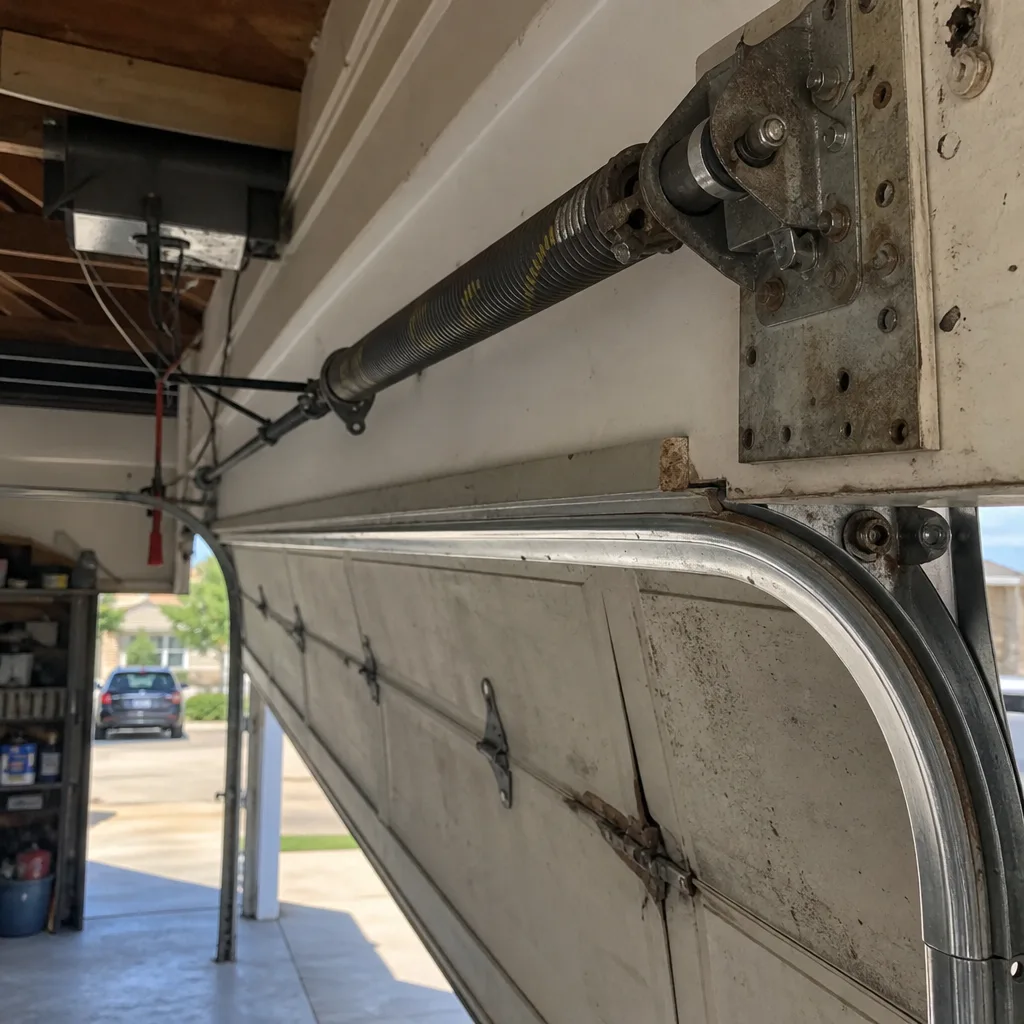 Before
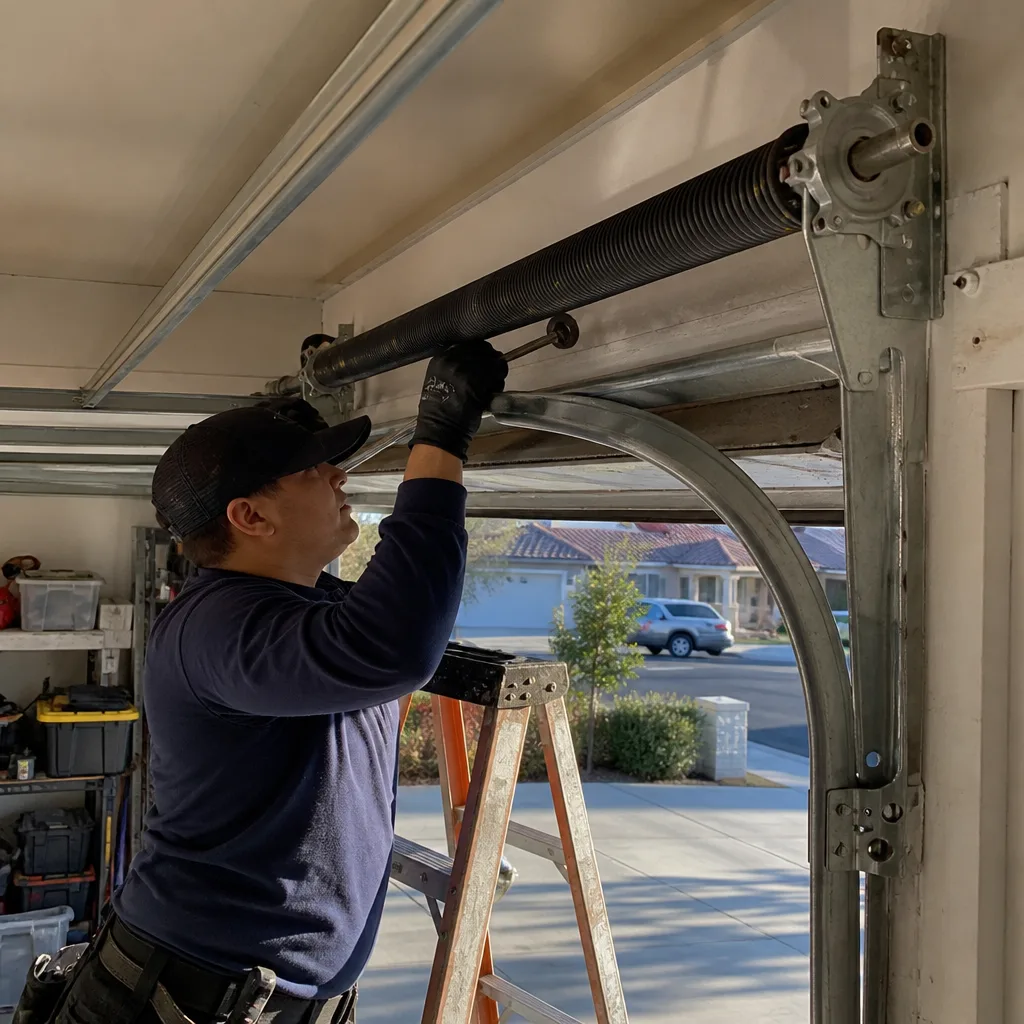 After
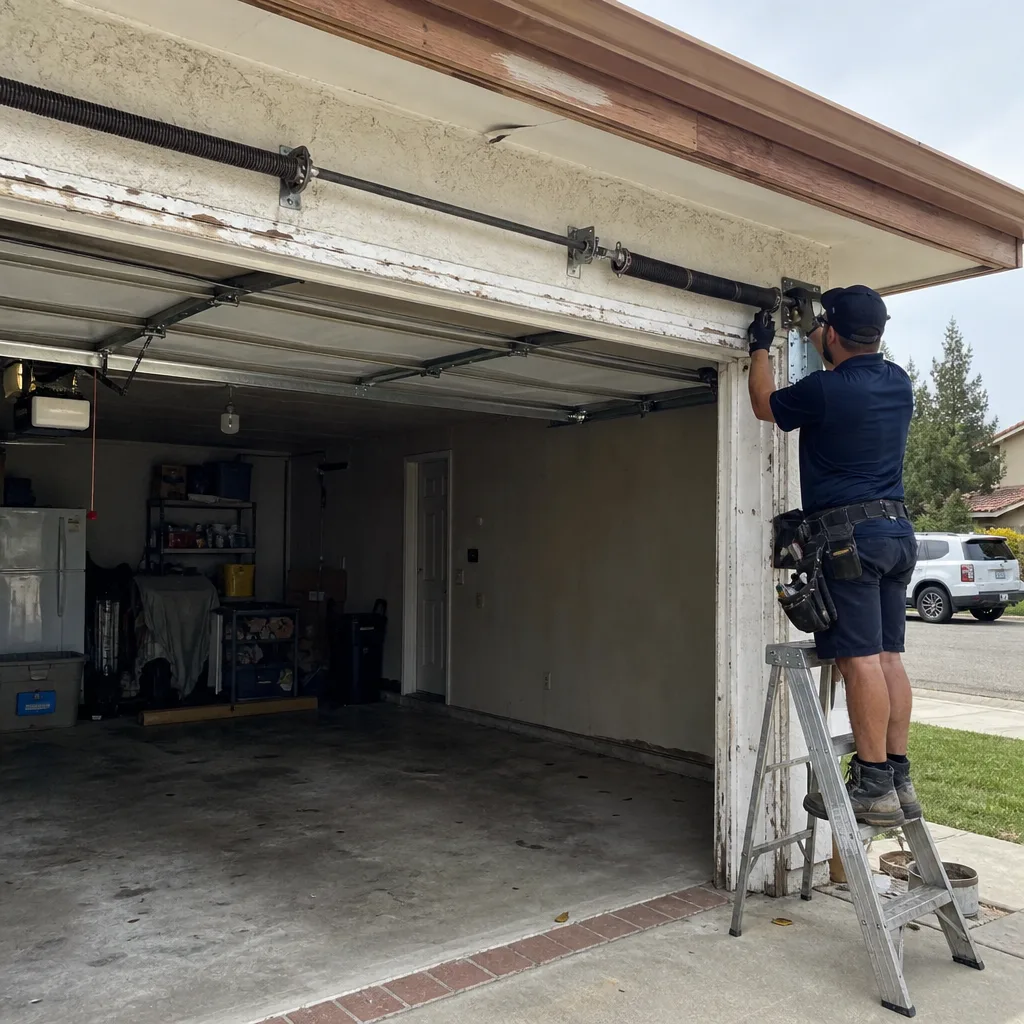 Before
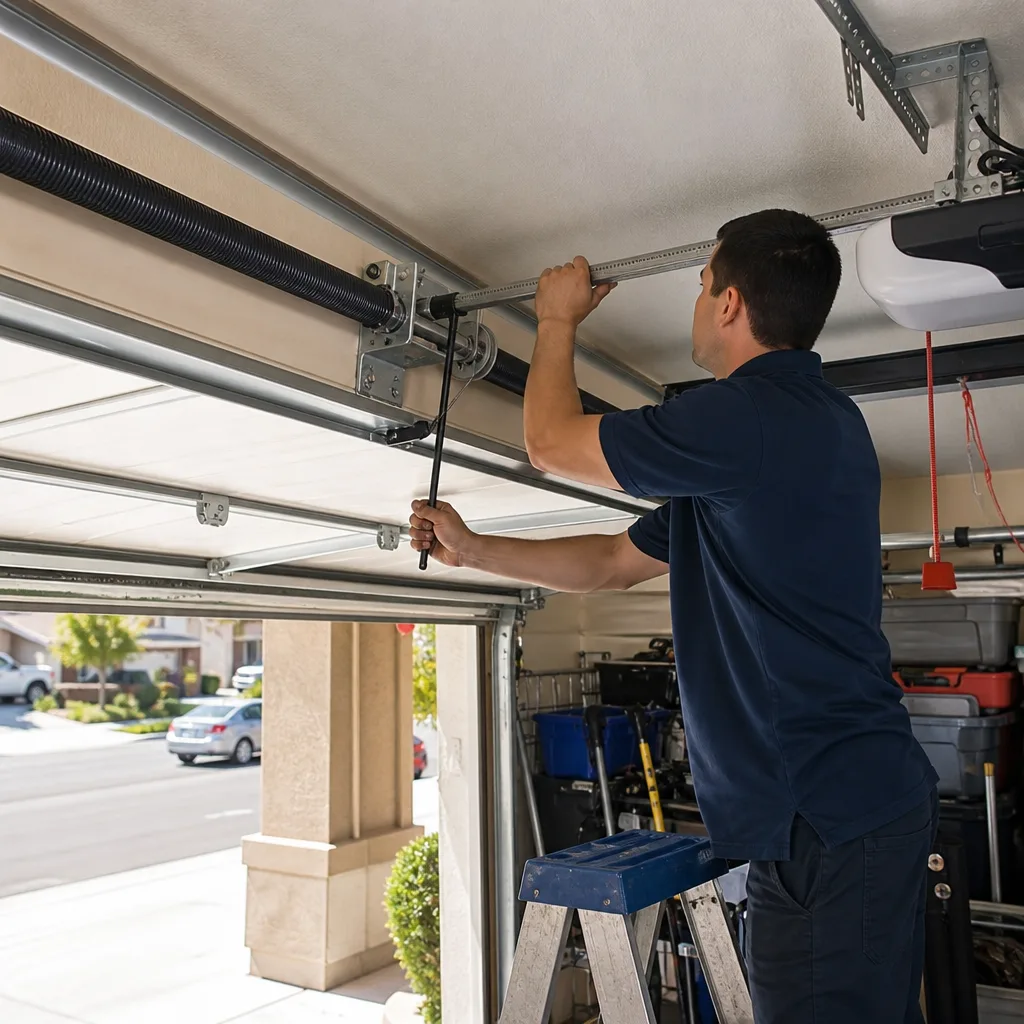 After
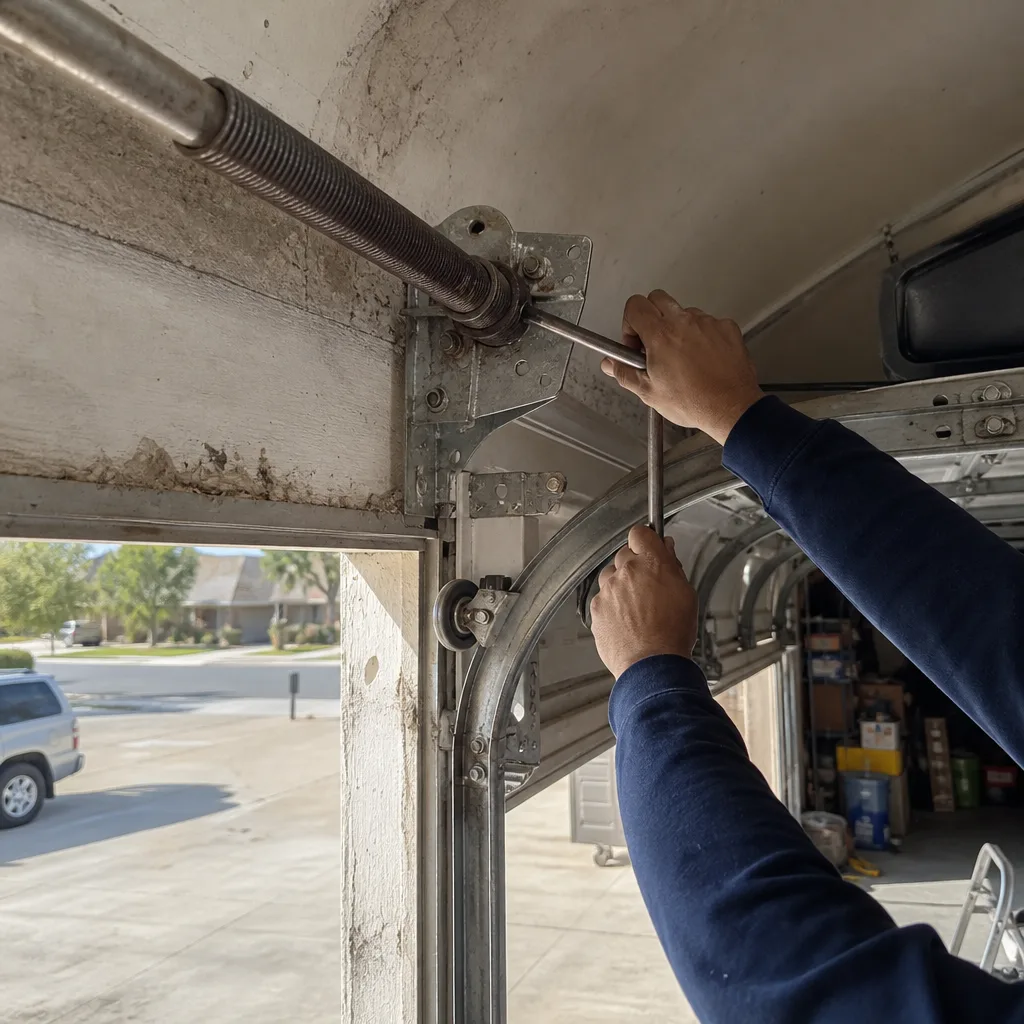 Before
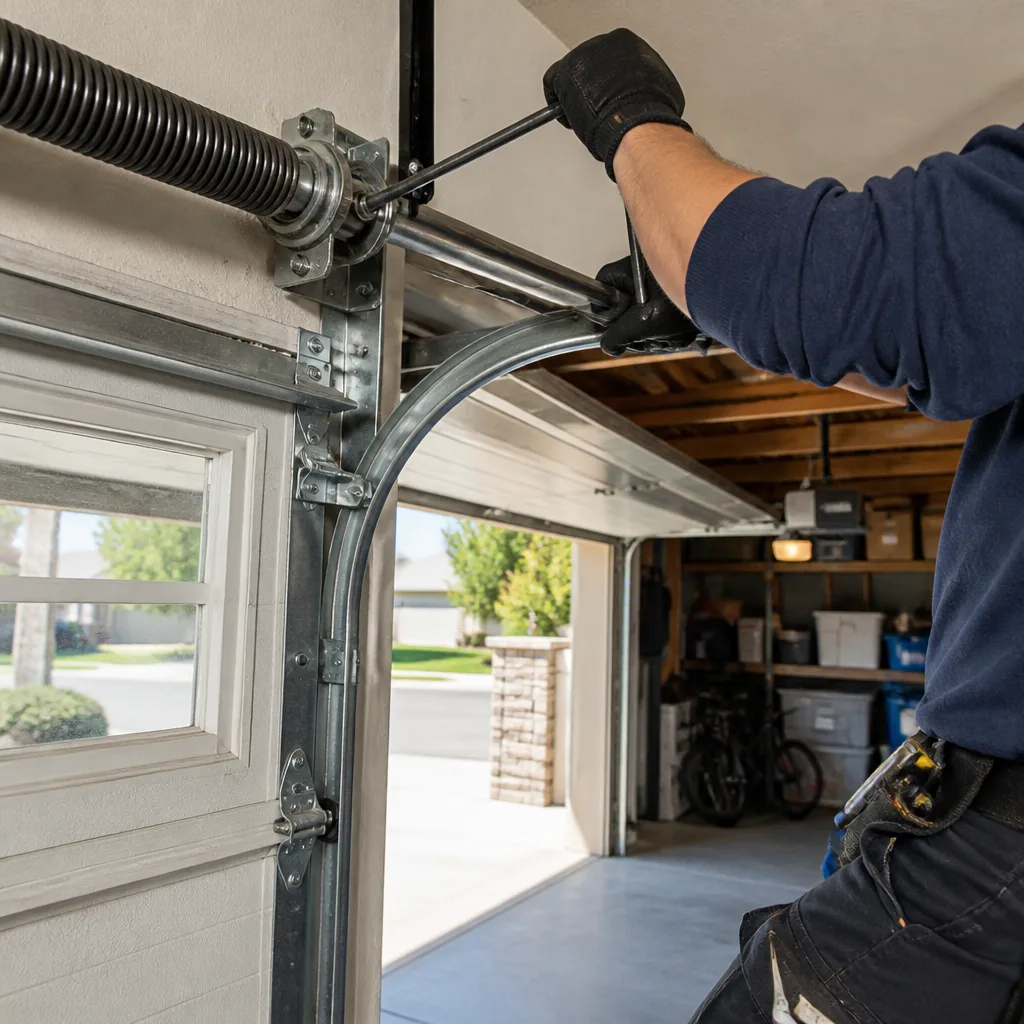 After